

The shift in how we travel
Travel is changing. For a long time, the focus was on finding the cheapest flight or the most luxurious resort. But something’s happening now, a real re-evaluation of what we want from our journeys. People are starting to prioritize experiences that leave a positive impact – on the environment, on local economies, and on themselves.
This isn't just a fleeting trend; it’s a response to growing awareness. We're seeing the effects of climate change firsthand, and the downsides of unchecked tourism are becoming increasingly clear. Places like Venice and Barcelona have struggled with overtourism, straining infrastructure and diminishing the quality of life for residents. This has created a demand for alternatives, for destinations that welcome visitors responsibly.
Many regions are already shifting. Some countries are moving toward renewable grids while others build tourism models that keep profits in local hands. This isn't a niche market anymore; it's a practical response to a changing climate.
I believe that travelers are becoming more discerning. They’re asking questions about where their money is going and what kind of impact their trips are having. This is a powerful force for change, and it’s driving innovation in the travel industry. It's an exciting time to be a traveler, knowing that our choices can contribute to a more sustainable world.
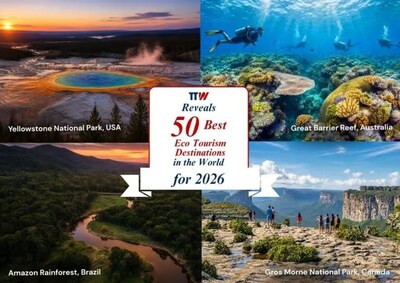
14 destinations trending for 2026
Here are 15 destinations gaining significant traction for eco-conscious travelers in 2026, each offering a unique blend of sustainability and adventure. I've tried to include a mix of places, from well-established eco-tourism hubs to emerging destinations.
Costa Rica protects about 25% of its land through national parks and aims for carbon neutrality by 2050. Most visitors stay in lodges that fund local conservation. If you go, look for sea turtle volunteer projects on the Pacific coast.
Slovenia is a true hidden gem. Designated a Green Destination of the World, it prioritizes sustainable tourism through initiatives like promoting local food and reducing waste. The Julian Alps offer incredible hiking, and Lake Bled is a postcard-perfect destination. You can cycle the country on a network of well-maintained bike paths.
Palau in Micronesia is a pioneer in marine conservation. It created a national sanctuary protecting 80% of its waters, and visitors pay an environmental impact fee. Diving and snorkeling are world-class, and the country is actively working to protect its coral reefs. The 'Pledge to Palau' asks visitors to commit to responsible tourism practices.
Bhutan operates on a "High Value, Low Impact’ tourism model. It requires all visitors to pay a daily fee that funds conservation and social programs. The country’s commitment to Gross National Happiness guides its development, and its monasteries and landscapes are breathtaking. Trekking to Tiger"s Nest Monastery is a must-do.
Norway is investing heavily in sustainable transportation and renewable energy. The fjords are a spectacular sight, and the country offers a range of eco-friendly activities, from hiking and kayaking to electric boat tours. Visiting during the Northern Lights season is an unforgettable experience.
Rwanda is a success story in conservation. Mountain gorilla trekking is a major draw, and the country invests a significant portion of tourism revenue into protecting these endangered animals and supporting local communities. Volcanoes National Park offers incredible wildlife encounters.
The Azores are a Portuguese archipelago committed to sustainable tourism. These volcanic islands offer dramatic landscapes, whale watching, and geothermal energy. The Azores Geopark promotes responsible tourism and protects the islands’ unique geological heritage.
Finland consistently ranks high in sustainability indices. It’s a leader in forest management and renewable energy, and offers opportunities for eco-tourism like hiking in national parks and staying in sustainable cabins. Experiencing the Finnish sauna culture is a unique tradition.
Colombia has transformed itself into a safe and increasingly eco-conscious destination. The Coffee Region offers sustainable coffee farm tours, and the Amazon rainforest is a biodiversity hotspot. Medellín is a vibrant city with a growing commitment to sustainability.
Dominica is known as the "Nature Island’ of the Caribbean. It"s less developed than many other Caribbean islands, and prioritizes ecotourism. Hiking the Waitukubuli National Trail offers stunning views, and the island is a haven for wildlife. The focus here is really on raw, natural beauty.
Chumbe Island (Tanzania) is a private nature reserve that operates as a self-sufficient eco-lodge. It’s a model for sustainable tourism, with a focus on coral reef conservation and community involvement. Snorkeling and diving are exceptional.
The Netherlands is a leader in cycling infrastructure and sustainable urban planning. Amsterdam is a very bike-friendly city, and the country is investing in renewable energy and circular economy initiatives. Exploring the tulip fields by bike is a classic Dutch experience.
Sweden is committed to becoming fossil fuel-free. It offers a range of eco-friendly accommodations and activities, from hiking in national parks to staying in sustainable treehouses. Experiencing the Swedish "fika" (coffee break) is a cultural highlight.
Botswana practices high-end, low-impact tourism. It limits the number of visitors to its national parks and invests heavily in conservation. The Okavango Delta is a unique wetland ecosystem, and game viewing is exceptional. This is a great option for travelers looking for a luxury safari experience with a conscience.
What travel certifications actually mean
Sustainable tourism certifications are meant to help travelers identify businesses committed to responsible practices. However, the landscape of certifications is complex, and not all are created equal. It’s important to understand what these certifications assess and how much weight to give them.
B Corp Certification assesses a company’s overall social and environmental performance, covering areas like governance, workers, community, and the environment. It’s a rigorous certification, but it doesn’t specifically focus on tourism. Travelife is specifically designed for the tourism industry, focusing on sustainability management systems and environmental impact. Green Globe is another tourism-specific certification, assessing destinations and businesses against a set of sustainability criteria.
The GSTC (Global Sustainable Tourism Council) doesn’t certify organizations directly, but it recognizes certification bodies that meet its standards. A GSTC-Recognized certification is generally considered more trustworthy, as it indicates the certification process has been independently vetted. However, even GSTC-Recognized certifications vary in their rigor and scope.
The biggest issue is 'greenwashing' – when a company exaggerates its sustainability efforts. A certification can be a helpful starting point, but it’s crucial to look beyond the label. Investigate the specific practices of the business, read reviews, and look for evidence of genuine commitment to sustainability. Don't assume a certification guarantees a completely sustainable experience.
- B Corp: Measures social and environmental impact across the whole company.
- Travelife: Tourism-specific, focuses on management systems.
- Green Globe: Tourism-specific, assesses sustainability criteria.
- GSTC-Recognized: Indicates certification meets global standards.
Sustainable Tourism Certification Comparison (2026)
| Certification Name | Assessing Body | Key Criteria | Transparency Level | Cost for Businesses | Notes |
|---|---|---|---|---|---|
| B Corp | B Lab | Social and environmental performance, accountability, and transparency. Assesses the entire business, not just tourism operations. | High | Variable, based on company revenue. Ranges from several hundred to tens of thousands of dollars annually. | Rigorous assessment; focuses on holistic business practices, potentially demanding for smaller tourism operators. |
| Travelife | Travelife (independent body) | Sustainability management system covering environmental impacts, social responsibility, and economic benefits for local communities. | Medium | Tiered pricing based on company size and certification level. Costs can vary significantly. | Widely used, particularly in the hotel sector. Focuses heavily on operational aspects. |
| Green Globe | Green Globe (independent body) | Commitment to sustainable practices across environmental, social, cultural, and economic pillars. Based on internationally recognized standards. | Medium | Certification fees depend on property size and complexity, involving an initial assessment and annual audits. | Long-standing certification, but can be perceived as less stringent than B Corp. |
| GSTC-Recognized | Global Sustainable Tourism Council (GSTC) - Recognizes standards | Not a certification itself, but recognizes standards that meet its criteria. Covers a broad range of tourism activities. | Medium | Cost depends on the specific standard chosen and the certifying body. GSTC charges fees to standards owners, which are then passed on. | Offers credibility through alignment with global best practices. Requires choosing a GSTC-recognized standard. |
| EarthCheck | EarthCheck (independent body) | Benchmarking and certification program focusing on environmental and social performance, with a strong emphasis on data collection and reporting. | High | Fees based on the size and complexity of the operation, including an initial assessment and ongoing monitoring. | Strong emphasis on data and benchmarking, which can be resource-intensive for smaller businesses. |
| Biosphere Tourism | Responsible Tourism Institute | Focuses on destination sustainability, integrating environmental, social, and economic aspects with a strong emphasis on local community involvement. | Medium | Fees vary based on the size and type of tourism business. Includes an initial assessment and annual verification. | Strong focus on destination-level sustainability and community engagement. |
Illustrative comparison based on the article research brief. Verify current pricing, limits, and product details in the official docs before relying on it.
Moving past carbon offsets
Carbon offsetting has become a popular way to mitigate the environmental impact of travel, but it’s not a perfect solution. The effectiveness of carbon offset projects varies widely, and some have been criticized for lacking transparency or delivering promised results. It's not a 'get out of jail free' card.
Instead of relying solely on carbon offsets, focus on reducing your carbon footprint in the first place. Choose direct flights whenever possible, as takeoffs and landings are the most fuel-intensive parts of a flight. Stay in locally-owned accommodations that support the local economy and often have a smaller environmental impact.
Explore the concept of regenerative tourism, which goes beyond minimizing harm and actively seeks to restore and improve the environment and communities visited. This could involve participating in conservation projects or supporting businesses that prioritize sustainability. Look for opportunities to contribute positively to the places you visit.
Carbon offsets can be part of a broader strategy, but they shouldn't be your only contribution. Supporting local conservation efforts directly, or choosing slower modes of transport when feasible, are often more impactful choices.
Community-Led Tourism: A Deeper Connection
Community-led tourism puts local communities at the heart of the tourism experience. These initiatives are owned and managed by local people, ensuring that the benefits of tourism stay within the community. This empowers residents, preserves cultural heritage, and provides authentic travel experiences.
In Kenya, for example, the Lewa Wildlife Conservancy partners with local communities to protect wildlife and provide economic opportunities. In Peru, several indigenous communities offer homestays and guided tours, allowing visitors to experience their culture firsthand and support their livelihoods. The Maasai Wilderness Conservation Trust in Kenya is another excellent example of a community-led initiative.
These types of experiences offer a deeper connection to the places you visit. You’re not just observing a culture; you’re interacting with it and contributing to its preservation. It’s a more meaningful and rewarding way to travel. It also helps to diversify tourism income, reducing reliance on large-scale resorts.
Look for tour operators and accommodations that prioritize community involvement. Ask questions about how your money is benefiting the local community. Supporting these initiatives is a powerful way to promote sustainable tourism and create positive change.


No comments yet. Be the first to share your thoughts!