

The Rise of Conscious Exploration
Travel is changing. Travelers are asking about the impact of their journeys on the environment, local communities, and the planet. This shift in values is accelerating.
The pandemic prompted reflection. Many travelers reassessed priorities, desiring more meaningful and responsible experiences. Concerns about climate change, biodiversity loss, and social justice are now central for many.
Travelers want experiences beyond superficial tourism. They want to connect with places, understand local culture, and contribute positively to destinations. This desire for authenticity and responsibility drives sustainable tourism's growth.
This shift involves a holistic approach to travel planning. It means considering the entire journey—from transportation to accommodation to activities—and making choices that minimize negative impacts and maximize positive ones. Conscious exploration will define travel in 2026.
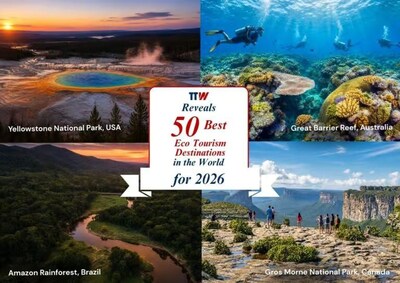
15 Destinations Leading the Way
Many places are advancing sustainable tourism, but some are leading. These destinations demonstrate a commitment to protecting natural and cultural heritage while providing enriching visitor experiences. While no place is perfect, these are setting a high bar.
Costa Rica has long been a pioneer in ecotourism, protecting over 25% of its land as national parks and reserves. They’ve also made significant investments in renewable energy, generating over 98% of their electricity from renewable sources as of 2023. The country’s focus on conservation and community involvement makes it a standout.
Slovenia is a hidden gem, committed to preserving its pristine natural environment. Designated as a Green Destination of the World in 2024, Slovenia prioritizes sustainable transport, local food, and responsible tourism practices. Ljubljana, its capital, is a pedestrian-friendly city with a strong emphasis on green spaces.
Palau is a small island nation making a big impact. They require all visitors to sign the "Palau Pledge", a commitment to act responsibly and respect the local environment. Palau also established the Palau National Marine Sanctuary, protecting 80% of its exclusive economic zone from fishing.
Norway is renowned for its stunning fjords and commitment to sustainability. The country is a leader in electric vehicle adoption and is investing heavily in sustainable transportation infrastructure. They also have strict regulations to protect their natural environment.
Bhutan operates on a "High Value, Low Impact’ tourism model, charging a daily fee that includes a sustainable development fee. This fee is used to fund conservation efforts and support local communities. Bhutan"s focus on preserving its cultural heritage and protecting its environment is admirable.
Rwanda is actively working to protect its endangered mountain gorilla population and promote sustainable tourism. Revenue from gorilla trekking permits is used to support conservation efforts and benefit local communities. The country is also investing in ecotourism infrastructure.
The Azores, a Portuguese archipelago, is committed to sustainable tourism practices. They’ve implemented measures to reduce waste, conserve water, and protect their unique biodiversity. The Azores are a great destination for hiking, whale watching, and experiencing unspoiled nature.
Finland prioritizes sustainable forestry and has a strong commitment to protecting its vast forests and lakes. They’re also investing in renewable energy and promoting eco-friendly transportation options. Finland offers a unique blend of nature and culture.
Colombia is emerging as a sustainable tourism hotspot, with a growing number of eco-lodges and community-based tourism initiatives. The country is working to protect its biodiversity and promote responsible travel practices. Medellín, once known for its troubled past, is now a model for urban regeneration.
New Zealand has a strong reputation for environmental conservation and sustainable tourism. They're actively working to reduce their carbon footprint and protect their unique biodiversity. New Zealand offers a wide range of outdoor activities, from hiking to kayaking to wildlife viewing.
Switzerland consistently ranks high in environmental performance. The country has a well-developed public transportation system and is committed to reducing its carbon emissions. Switzerland offers stunning scenery and a high quality of life.
Sweden is a leader in sustainable development and has a strong commitment to environmental protection. They’re investing in renewable energy and promoting eco-friendly transportation options. Sweden offers a unique blend of nature and culture.
Dominica, often called the "Nature Island", is committed to ecotourism and sustainable development. The island is actively working to protect its rainforests, waterfalls, and coral reefs. Dominica offers a pristine and unspoiled natural environment.
Canada is investing in sustainable tourism initiatives across the country, from eco-lodges to wildlife conservation programs. With vast national parks and diverse landscapes, Canada offers incredible opportunities for responsible travel. Curacao is focusing on coral reef restoration and sustainable diving practices, aiming to balance tourism with marine conservation.
Certification & Verification: Beyond Buzzwords
Sustainability claims are common, but not all are equal. Look beyond marketing buzzwords for credible certifications. These programs independently verify a destination or business’s commitment to sustainable practices.
Green Globe is a well-respected certification program that assesses businesses based on a range of environmental, social, and economic criteria. Travelife focuses on tour operators and accommodations, providing a framework for improving sustainability performance. B Corp certification signifies a company’s commitment to social and environmental responsibility.
Certifications aren’t foolproof. Program rigor and criteria vary. Research specific certifications to understand what they measure. Don’t rely solely on a certification; do your own due diligence.
Protected Trust Services (PTS) membership features, like ATOL protection and travel trust accounts, assure financial security when booking travel. This isn’t a sustainability certification, but it’s a crucial element of responsible travel, ensuring your money is protected. Travelers can assess a destination’s commitment by looking at its waste management, water conservation, and support for local communities.
Sustainable Tourism Certification Comparison
| Certification | Scope | Rigor of Assessment | Transparency of Results | Traveler Benefit |
|---|---|---|---|---|
| Green Globe | Accommodation, Tours, Attractions, Destinations | Comprehensive, focuses on measurable sustainability performance across multiple criteria. | Publicly available profiles and certifications for members. | Indicates commitment to environmental and social responsibility, operational efficiency. |
| Travelife | Tour Operators, Accommodation | Tiered system, progressively more demanding requirements. Emphasis on management systems and impact. | Assessment reports are primarily shared with the certified business, some summary information is public. | Highlights a commitment to sustainable practices within the travel industry, particularly regarding social and environmental impact. |
| B Corp | Businesses of all types, including tourism-related businesses | Holistic assessment of social and environmental performance, accountability, and transparency. | B Impact Assessment results are publicly available on the B Corp website. | Signifies a business is meeting high standards of verified performance, accountability, and transparency on factors beyond profit. |
| GSTC (Global Sustainable Tourism Council) | Certification Bodies and Sustainable Tourism Standards | Sets the global baseline standards for sustainable travel; does not directly certify businesses, but accredits those that do. | GSTC standards are publicly available; accredited certification bodies publish their results. | Provides assurance that a certification program itself is credible and aligned with globally recognized sustainability principles. |
| EarthCheck | Tourism Businesses, Destinations | Science-based benchmarking and certification program, focuses on environmental and social performance. | Certification status and some performance data are publicly available. | Demonstrates commitment to environmental and social responsibility, with a focus on measurable improvements. |
| Rainforest Alliance Verified | Tourism Businesses (primarily lodging and tours) | Focuses on biodiversity conservation, sustainable livelihoods, and human well-being. | Verification status is publicly displayed; detailed reports are generally not public. | Indicates a commitment to protecting rainforests and supporting sustainable communities. |
Qualitative comparison based on the article research brief. Confirm current product details in the official docs before making implementation choices.
Transportation's Impact & Alternatives
Transportation significantly contributes to travel's carbon footprint, with air travel being particularly impactful. Minimizing your impact starts with informed choices about how you get to your destination. Opting for direct flights whenever possible reduces fuel consumption.
Carbon offsetting is presented as a solution, but it’s complex. The effectiveness of offset programs varies, and some are more credible than others. Research offset providers carefully and ensure they invest in verified projects. Reducing emissions is better than relying on offsetting.
Alternative transportation options can reduce your environmental impact. Trains and buses are more fuel-efficient than airplanes and offer a more scenic, immersive travel experience. Consider slow travel—taking your time to explore a region by train or bus.
Destinations are investing in sustainable transportation infrastructure. Norway leads in electric ferry technology. The Netherlands has an extensive bike path network. These initiatives make it easier for travelers to choose eco-friendly options.
Supporting Local Economies: A Traveler’s Role
Your spending as a traveler directly impacts local communities. Supporting locally-owned businesses ensures money stays within the destination, benefiting residents. This includes accommodations, restaurants, tour operators, and shops.
Seek locally-owned guesthouses and hotels instead of large international chains. Dine at restaurants sourcing ingredients locally. Book tours with local guides who share their knowledge and passion for the region. Buying souvenirs directly from artisans supports their livelihoods.
Respect local cultures and traditions. Learn a few basic phrases in the local language. Dress modestly when visiting religious sites. Be mindful of local customs and etiquette. Engaging with the local community fosters understanding and appreciation.
Conscious consumerism is a powerful tool. Informed choices about spending money can contribute to a more sustainable and equitable tourism industry. Your travel choices can make a positive difference.
Accommodation: Eco-Lodges & Beyond
The accommodation sector has a significant environmental impact, but sustainable options are growing. Eco-lodges minimize their environmental footprint, often using renewable energy, conserving water, and reducing waste.
Sustainability isn’t limited to eco-lodges. Many traditional hotels also implement green practices, such as water conservation, energy-efficient lighting, and waste reduction. Look for hotels with green certifications or those demonstrating a commitment to sustainability.
Innovative accommodations are emerging, offering unique and sustainable experiences. Treehouses, yurts, and repurposed shipping containers are examples. These accommodations often prioritize minimal environmental impact and connection with nature.
Regardless of accommodation type, consider water conservation, waste reduction, and energy efficiency. Choose accommodations that actively minimize their environmental impact and support local communities.
Responsible Wildlife Tourism
Wildlife tourism can be a powerful force for conservation, but it carries ethical risks. Choose responsible tour operators that prioritize animal welfare and avoid activities that exploit or harm animals.
Avoid activities like elephant riding, tiger selfies, and visiting captive animal attractions. These activities often involve animal cruelty and contribute to the illegal wildlife trade. Opt for tours that focus on observing animals in their natural habitat.
Respect wildlife by maintaining a safe distance and avoiding behavior that could disturb them. Do not feed animals, as this can alter their natural behavior and make them dependent on humans. Support conservation organizations protecting endangered species.
Responsible wildlife tourism is about appreciating animals in their natural environment without causing harm. It’s about contributing to their conservation
Looking Ahead: Trends in Sustainable Travel
Sustainable travel is evolving rapidly, with new trends emerging all the time. Regenerative tourism is gaining traction, focusing on actively restoring ecosystems and benefiting local communities, rather than simply minimizing harm.
Slow travel encourages travelers to take their time, immerse themselves in local cultures, and connect with the places they visit. This approach promotes a deeper understanding and appreciation of the destination. Technology is also playing a role, with apps and platforms helping travelers find sustainable accommodations and experiences.
We can expect to see increased demand for carbon-neutral travel options, as airlines and other transportation providers invest in sustainable aviation fuels and carbon offsetting programs. The use of data and analytics will also become more prevalent, helping destinations manage tourism flows and minimize environmental impact.
The future of travel is undoubtedly sustainable. As travelers become more aware of their impact and demand more responsible options, the tourism industry will continue to evolve and adapt. The destinations that prioritize sustainability will be the ones that thrive in the years to come.


No comments yet. Be the first to share your thoughts!