

The $50/Day Reality Check
Let's be upfront: traveling the world on $50 a day in 2026 will demand serious commitment. It's not about lavish hotels or fancy restaurants. It’s about prioritizing experiences over comforts and making smart choices. While achievable in some regions, it’s unrealistic to expect this budget to stretch across all destinations.
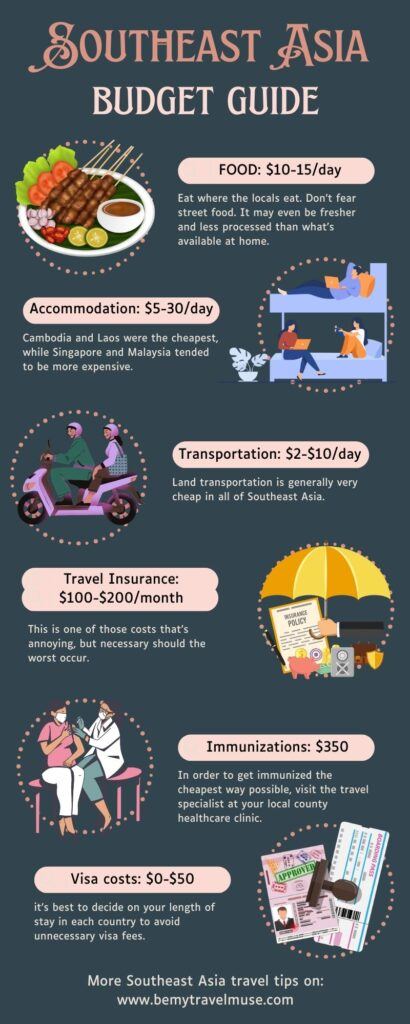
Inflation is a significant factor. As of late 2024, economic forecasts predict continued, albeit moderating, price increases in many parts of the world. This means that $50 in 2026 won’t buy what it does today. Southeast Asia, parts of Eastern Europe, and Central America generally offer the best opportunities for budget exploration. Western Europe, North America, and Australia will be considerably more challenging.
This budget demands a specific travel style. Think slow travel – prioritizing buses and trains over flights, staying in hostels or guesthouses, and cooking your own meals whenever possible. It means being flexible with your plans and willing to embrace the unexpected. It also means accepting that you’ll have to make trade-offs. You may need to skip certain attractions or activities to stay within budget.
The $50/day figure is an average. Some days you might spend less, others more. Building in a buffer for unexpected expenses is essential. Be prepared to adjust your spending based on the specific costs in each location. Remember, it's about maximizing value, not necessarily minimizing every single expense.

Global Entry & Trusted Traveler Programs
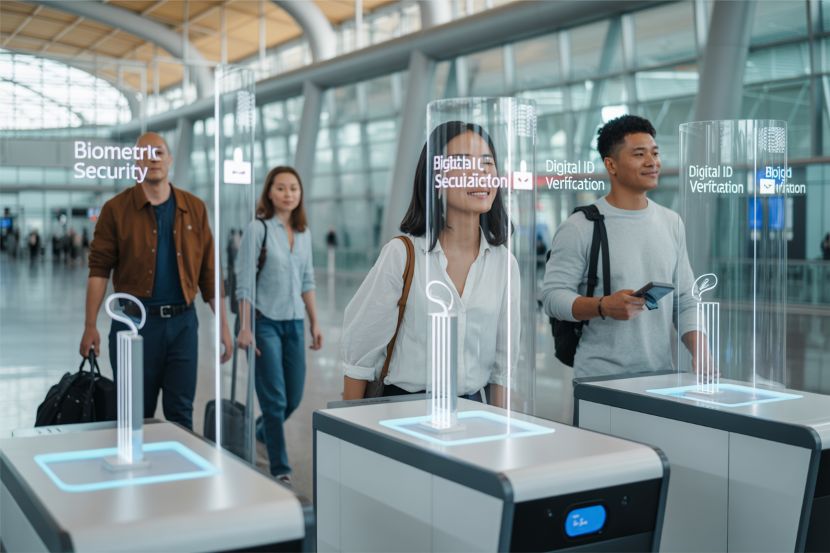
For frequent travelers, especially those entering and exiting the United States, programs like Global Entry can be a worthwhile investment. These trusted traveler programs – which also include NEXUS and SENTRI – expedite the customs and border protection process, saving you valuable time. Time is money, after all, and less time in airport lines means more time exploring.
As of late 2024, the application fee for Global Entry is $100, valid for five years. While there's potential for price increases by 2026, it's reasonable to anticipate a fee somewhere in the $110-$130 range. The application process involves an online application, a background check, and an interview. You can find detailed information and apply through the CBP website:
Is it worth it for a budget traveler? That depends. If you plan on multiple international trips in 2026, the convenience and time savings could outweigh the upfront cost. However, if you’re only traveling once or twice, the fee might be better spent on other travel expenses. Consider your individual travel patterns and priorities.
Similar trusted traveler programs exist in other countries, such as Canada’s NEXUS and Mexico’s SENTRI. Researching these options could be beneficial if your travel plans include those destinations. The Facebook page regarding international travel plans in 2025 and 2026 also highlights the benefits of programs like Global Entry.
Trusted Traveler Program Comparison (as of late 2023/early 2024)
| Program | Application Fee | Interview Requirement | Access/Benefits | Renewal Fee |
|---|---|---|---|---|
| Global Entry | $100 | Typically required; scheduled upon approval | Expedited U.S. customs screening for international travelers; includes TSA PreCheck | $100 |
| NEXUS | $50 | Required; at a NEXUS Enrollment Center | Expedited processing when entering the U.S. and Canada by land, air, and sea | $50 |
| SENTRI | $100 | Required; at a SENTRI Enrollment Center | Expedited U.S. entry for frequent travelers from Mexico and Canada by land | $100 |
| Global Entry (with TSA PreCheck) | $100 | Typically required; scheduled upon approval | Includes all Global Entry benefits *plus* expedited security screening at participating U.S. airports | $100 |
| NEXUS | Varies for Canadian/Mexican citizens (reduced rates may apply) | Required; at a NEXUS Enrollment Center | Benefits extend to family members traveling together. | $50 |
| SENTRI | Varies for Mexican citizens (reduced rates may apply) | Required; at a SENTRI Enrollment Center | Designed for frequent border crossings; can reduce wait times significantly. | $100 |
Illustrative comparison based on the article research brief. Verify current pricing, limits, and product details in the official docs before relying on it.
Accommodation: Beyond Hotels
Hotels are often the biggest expense for travelers. Thankfully, there are plenty of alternatives. Hostels are a classic budget option, offering dorm-style accommodation at a fraction of the cost of a hotel room. Guesthouses, often family-run, can provide a more authentic and affordable experience. Airbnb is another possibility, but be aware of potential regulations and issues – some cities are cracking down on short-term rentals.
Couchsurfing connects travelers with locals who offer free accommodation in their homes. This is a great way to save money and experience a destination from a local perspective, but it requires careful vetting and a willingness to be flexible. House-sitting involves caring for someone’s home and pets while they’re away, offering free accommodation in exchange for your services.
Don’t overlook overnight transportation. Taking an overnight bus or train can save you the cost of a night’s accommodation, and it can also be a more efficient use of your time. However, be prepared for a less comfortable experience. Reading reviews is crucial when booking any accommodation, especially hostels and Airbnb listings.
Negotiating rates can also be effective, particularly in smaller guesthouses. Don’t be afraid to politely ask if there’s any room for negotiation, especially if you’re staying for multiple nights. Safety is paramount – always be aware of your surroundings and trust your instincts.
- Hostels: Dorm-style, social, budget-friendly.
- Guesthouses: Family-run, authentic, affordable.
- Airbnb: Variety, potential regulations, requires research.
- Couchsurfing: Free, local experience, requires vetting.
- House-sitting: Free, responsibility, requires trustworthiness.
- Overnight Transportation: Saves accommodation costs, less comfortable.
Transportation: Slow & Steady Wins
Budget travel often means sacrificing speed for cost. Buses and trains are generally much cheaper than flights, although they take longer. Embrace the journey and enjoy the scenery! Ride-sharing services like Uber and Lyft can be convenient, but costs can fluctuate significantly, especially during peak hours. Walking and cycling are the cheapest options, and they also allow you to explore a destination at your own pace.
Overnight travel can again be a significant money-saver, combining transportation and accommodation costs. Regional differences are important – what’s cheap in one part of the world might be expensive in another. Southeast Asia, for example, has a well-developed and affordable bus network. Europe has extensive rail networks, but prices can vary widely depending on the country and route.
City passes that include public transport can be a good value, especially if you plan on using buses, trams, and subways frequently. Research whether a city pass is worthwhile for your itinerary. Some cities also offer free bike-sharing programs or affordable bike rentals.
Be mindful of hidden costs, such as baggage fees and airport transportation. Factor these expenses into your overall transportation budget. Planning your routes in advance and booking tickets online can often save you money.
Food & Drink: Eat Like a Local
Food is another area where significant savings can be made. Avoid tourist traps and seek out local eateries. Street food is often delicious, authentic, and incredibly affordable. Local markets are a great place to buy fresh produce and snacks. Cooking your own meals, if possible, is the cheapest option, but it requires access to a kitchen.
When choosing street food vendors, look for stalls that are busy with locals – this is usually a good sign of quality and hygiene. Pay attention to how the food is prepared and stored. Avoid vendors who don’t seem to follow basic food safety practices. Embrace the cultural experience of eating local food – it’s one of the best parts of traveling.
Packing snacks can save you money on expensive airport and tourist area purchases. Bring granola bars, nuts, fruit, or other non-perishable items. Avoid buying bottled water – carry a reusable water bottle and refill it whenever possible. This is not only cheaper but also more environmentally friendly.
Be adventurous and try new things, but be mindful of your stomach! Start with small portions and gradually increase your intake. It's also wise to have a basic understanding of common food allergies in the region you're visiting.
Free & Low-Cost Activities
Many of the best travel experiences are free or low-cost. Walking tours are a great way to explore a city and learn about its history and culture. Many cities offer free walking tours, often led by local volunteers (tip-based). Visiting parks, gardens, and public spaces is another excellent way to spend time without spending money.
Museums often have free admission days or evenings. Check the museum’s website for details. Hiking and exploring local neighborhoods are also free activities that can provide a unique perspective on a destination. Simply wandering around and getting lost (safely, of course!) can lead to unexpected discoveries.
Look for free events and activities on local tourism websites and community calendars. Many cities host free concerts, festivals, and cultural events. Libraries often offer free access to computers and internet, which can be useful for planning your itinerary.
Don’t underestimate the value of simply observing and interacting with locals. People-watching, visiting local markets, and striking up conversations can be incredibly rewarding experiences.
What's your favorite free activity when traveling on a budget?
Vote below and tell us which no-cost experience helps you make the most of your travel budget.
2026 Travel Trends: What to Watch For
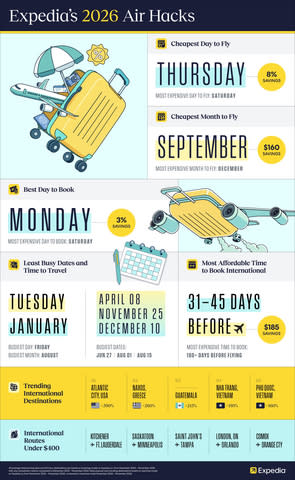
Predicting the future is always tricky, but several trends could impact budget travel in 2026. Flight prices are likely to remain volatile, influenced by factors such as fuel costs, geopolitical events, and airline competition. The rise of new budget airlines could offer more affordable options, but be sure to factor in baggage fees and other hidden costs.
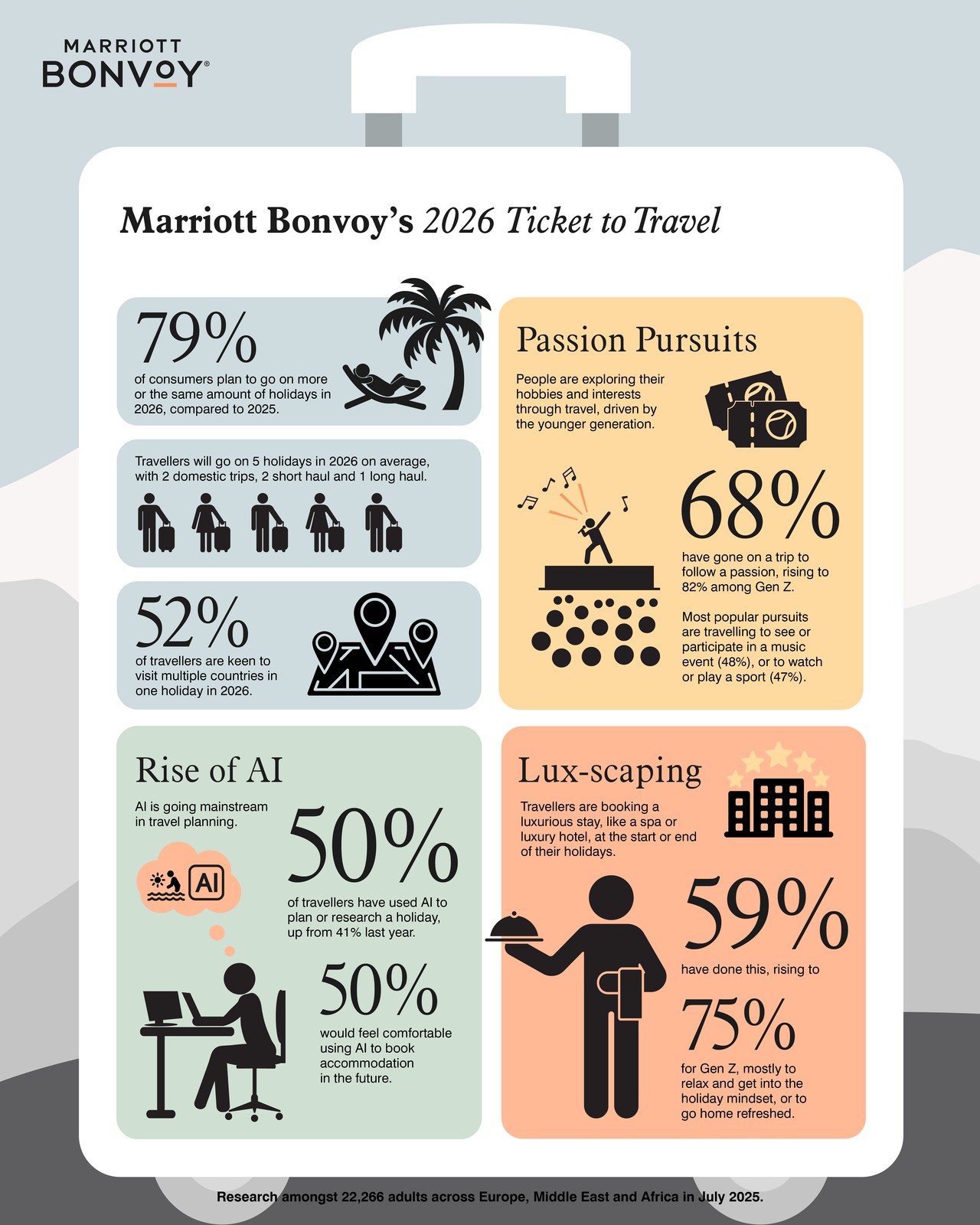
Technology will continue to play a major role in travel planning. AI-powered travel planning tools are becoming increasingly sophisticated, offering personalized recommendations and helping travelers find the best deals. However, it’s important to remember that these tools are not always perfect and should be used in conjunction with your own research.
Geopolitical factors could also have a significant impact on travel. Political instability, economic sanctions, and changes in visa requirements could all affect your travel plans. The Two Travel Gurus site highlights potential trips for 2026, including Treasures of Egypt, Greece Island Hopper, and British Landscapes. These can offer inspiration, but remember to stay informed about current events.
Changes to visa requirements are always a possibility. Check the visa requirements for your destination well in advance of your trip. Be prepared to apply for a visa if necessary, and allow plenty of time for processing. Staying informed and flexible will be key to navigating the evolving travel landscape in 2026.
Essential Gear for the Frugal Traveler
Packing light and efficiently is essential for budget travel. A versatile wardrobe that can be mixed and matched will minimize the amount of clothing you need to bring. Travel-sized toiletries save space and weight. A good quality backpack is crucial – choose one that is comfortable and durable.
A reusable water bottle is a must-have, saving you money and reducing plastic waste. A universal adapter is essential for charging your electronic devices. A first-aid kit with basic medications can be invaluable, especially if you’re traveling to a remote area.
Invest in a few high-quality items rather than buying cheap replacements on the road. A durable pair of walking shoes is a good investment, as is a waterproof jacket. Packing for the climate and culture of your destination is also important. Research the weather conditions and dress codes before you go.
Don’t forget a small padlock for securing your luggage. A travel towel is lightweight and quick-drying. A headlamp can be useful for navigating in the dark. Prioritize functionality and versatility over fashion when packing.

No comments yet. Be the first to share your thoughts!