

Remote Work Visas: The 2026 Landscape
The pandemic accelerated remote work, and by 2026, this trend is solidifying. Countries now see the economic advantage in attracting skilled, mobile workers and are offering digital nomad visas.
Digital nomads boost local economies by spending on housing, food, and entertainment without taking local jobs. This economic benefit has led to more available visas. Global Trusted Traveler reported in late 2023 that 47 countries offer remote work visas, a significant increase.
Most digital nomad visas require proof of income, health insurance, and a clean criminal record, with some specifying a minimum stay. Requirements differ by country, making research crucial. This guide covers 15 countries offering digital nomad visas in 2026, detailing their requirements, costs, and benefits.

15 Countries to Consider in 2026
Here are 15 countries offering digital nomad visas, with details to help you choose. Always verify requirements with official government sources, as conditions can change.
Portugal (D7 Visa): A popular choice, the D7 visa requires proof of passive income (around €8,460 per year as of late 2023, but expect adjustments) and a long-term rental agreement. Portugal offers a high quality of life, a mild climate, and a welcoming atmosphere. It feels relaxed and offers a good balance of city life and natural beauty.
Spain (Digital Nomad Visa): Spain’s visa requires a minimum income of €2,172 per month (as of late 2023) and proof of remote employment. It’s a vibrant country with a rich culture, delicious food, and diverse landscapes. Expect a lively and passionate atmosphere.
Germany (Freelancer Visa): Germany’s Freelancer Visa is geared towards self-employed individuals. You’ll need a business plan, proof of funds, and health insurance. It’s a very organized country, and while the bureaucracy can be challenging, the stability and opportunities are attractive.
Croatia (Digital Nomad Visa): Croatia’s visa requires proof of income exceeding €2,400 per month (as of late 2023) and health insurance. It’s a stunningly beautiful country with a growing digital nomad community. The Dalmatian Coast is particularly appealing.
Greece (Digital Nomad Visa): Greece offers a visa requiring a minimum monthly income of €3,500 (as of late 2023). The country boasts a rich history, beautiful islands, and a relaxed Mediterranean lifestyle. It's a place where you can truly unwind.
Estonia (Digital Nomad Visa): Estonia’s visa is known for its simplicity. You’ll need to demonstrate a monthly income of at least €3,504 (as of late 2023) and have a valid health insurance policy. Estonia is a highly digitalized country with a thriving tech scene.
Iceland (Long-Term Visa for Remote Workers): Iceland’s visa requires a minimum monthly income of ISK 1 million (approximately €6,700 as of late 2023) and proof of remote employment. It’s an expensive country, but the stunning natural landscapes are worth the cost for many.
Malta (Nomad Residence Permit): Malta requires a minimum monthly income of €2,700 (as of late 2023) and proof of health insurance. It's a small island nation with a warm climate, English as an official language, and a growing digital nomad scene.
Mexico (Temporary Resident Visa): Mexico offers a relatively accessible visa requiring proof of income or savings. The cost of living is lower than in many other countries on this list. It’s a country with a vibrant culture, delicious cuisine, and diverse landscapes.
Costa Rica (Digital Nomad Visa): Costa Rica’s visa requires a minimum monthly income of $3,000 (as of late 2023) and proof of health insurance. It’s a haven for nature lovers, with rainforests, beaches, and abundant wildlife.
Thailand (Long-Term Resident Visa): Thailand’s visa requires proof of income or funds, along with health insurance. It’s a popular destination for digital nomads due to its low cost of living, delicious food, and beautiful beaches. It’s a very laid-back and welcoming country.
Indonesia (Bali - Second Home Visa): Indonesia’s Second Home Visa, often used by digital nomads, requires proof of funds of IDR 2 billion (approximately $130,000 as of late 2023). Bali is a tropical paradise with a thriving digital nomad community.
Malaysia (DE Rantau Nomad Pass): Malaysia’s Nomad Pass requires a minimum monthly income of RM 10,000 (approximately $2,100 as of late 2023). It’s a multicultural country with a relatively low cost of living and a good infrastructure.
Brazil (Digital Nomad Visa): Brazil’s visa requires a minimum monthly income of $1,500 (as of late 2023) and proof of health insurance. It’s a vibrant country with a rich culture, stunning beaches, and the Amazon rainforest.
Income Requirements: A Closer Look
undefined figures below are based on late 2023 exchange rates and should be considered estimates for 2026.
Here’s a comparison of the monthly income requirements (converted to USD): Portugal (€8,460/year ≈ $9,100/year or $758/month), Spain (€2,172/month ≈ $2,350/month), Germany (variable, but typically around $3,000/month), Croatia (€2,400/month ≈ $2,600/month), Greece (€3,500/month ≈ $3,800/month), Estonia (€3,504/month ≈ $3,800/month), Iceland (ISK 1 million ≈ $6,700/month), Malta (€2,700/month ≈ $2,900/month), Mexico (variable, but generally around $2,000/month), Costa Rica ($3,000/month), Thailand ($3,000/month), Indonesia ($130,000 total funds), Malaysia ($2,100/month), Brazil ($1,500/month).
Acceptable proof of income typically includes bank statements, employment contracts, freelance contracts, and proof of business ownership. Some countries may also accept investment income or pension payments. It’s crucial to provide documentation that clearly demonstrates a consistent and reliable income stream. Some countries are more flexible than others regarding the type of income accepted.
Digital Nomad Visa Income Requirements (as of late 2023/early 2024 - subject to change)
| Country | Income Requirement (USD) | Notes | Additional Information |
|---|---|---|---|
| Portugal | Approximately $2,800 | Per month | Income must be passive or from remote work; includes freelancers and self-employed individuals. |
| Germany | Approximately $38,000 | Per year | Applicants must demonstrate sufficient funds to cover living expenses, and health insurance is required. |
| Spain | Approximately $2,300 | Per month | Proof of remote work contract or self-employment income is necessary. |
| Greece | Approximately $3,500 | Per month | Applicants must demonstrate stable income and have adequate health insurance. |
| Croatia | Approximately $2,600 | Per month | Income must be from remote work or self-employment; proof of health insurance required. |
| Estonia | Approximately $4,000 | Per month | Designed for individuals working for a company or running their own business remotely. |
| Malaysia | Approximately $3,500 | Per month | Requirements can vary based on specific program; often requires proof of employment or business ownership. |
| Mexico | No specific minimum | Varies | While no set minimum income is officially stipulated, applicants must demonstrate sufficient funds to support themselves without working locally. |
Illustrative comparison based on the article research brief. Verify current pricing, limits, and product details in the official docs before relying on it.
Beyond the Visa: Cost of Living Estimates
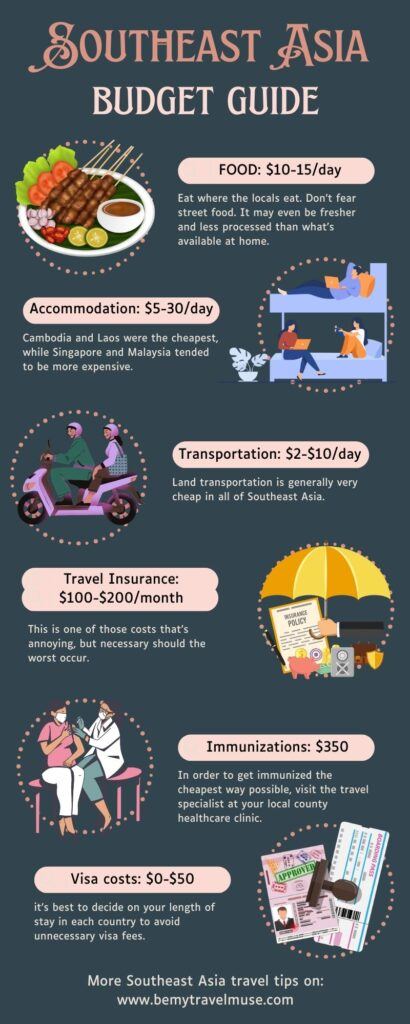
Securing a visa is just the first step. You also need to consider the cost of living in your chosen destination. This varies dramatically depending on location, lifestyle, and personal preferences. Here's a general breakdown, categorized into 'budget traveler' and 'comfortable living' estimates (as of late 2023, subject to change).
Portugal: Budget: $1,200 - $1,800/month. Comfortable: $2,000 - $3,000+/month. Spain: Budget: $1,500 - $2,200/month. Comfortable: $2,500 - $4,000+/month. Germany: Budget: $1,800 - $2,500/month. Comfortable: $3,000 - $5,000+/month. Croatia: Budget: $1,000 - $1,500/month. Comfortable: $2,000 - $3,000+/month. Greece: Budget: $1,200 - $1,800/month. Comfortable: $2,000 - $3,500+/month. Estonia: Budget: $1,300 - $2,000/month. Comfortable: $2,500 - $4,000+/month.
Iceland: Budget: $2,000 - $3,000/month. Comfortable: $4,000+/month. Malta: Budget: $1,500 - $2,200/month. Comfortable: $3,000 - $4,500+/month. Mexico: Budget: $800 - $1,500/month. Comfortable: $1,800 - $3,000+/month. Costa Rica: Budget: $1,500 - $2,500/month. Comfortable: $3,000 - $5,000+/month. Thailand: Budget: $700 - $1,200/month. Comfortable: $1,500 - $3,000+/month. Indonesia (Bali): Budget: $600 - $1,000/month. Comfortable: $1,500 - $3,000+/month.
Malaysia: Budget: $800 - $1,500/month. Comfortable: $2,000 - $3,500+/month. Brazil: Budget: $900 - $1,600/month. Comfortable: $2,000 - $4,000+/month. These estimates include accommodation, food, transportation, healthcare, and a modest amount for entertainment. Accommodation costs will vary significantly based on location and type (hostel, apartment, villa).
Tax Implications for Digital Nomads
Taxation can be one of the most complex aspects of digital nomad life. Generally, you’ll be subject to taxation in your country of tax residency. Determining your tax residency can be complicated, as it often depends on factors like the length of your stay in a country, your ties to your home country, and the existence of a permanent home.
Double taxation treaties exist between many countries to prevent you from being taxed twice on the same income. However, navigating these treaties can be challenging. It's essential to seek professional tax advice from a qualified accountant specializing in international taxation and digital nomad taxation.
Resources like BrightTax and H&R Block Expat Tax Services can help you find qualified professionals. Ignoring tax obligations can lead to penalties and legal issues, so it’s a risk not worth taking.
Health Insurance: Staying Protected Abroad
Comprehensive health insurance is non-negotiable for any digital nomad. Your domestic health insurance may not provide adequate coverage while you’re abroad, and medical expenses can be incredibly high in some countries. Look for policies specifically designed for travelers and digital nomads, offering coverage for emergency medical expenses, hospitalization, repatriation, and pre-existing conditions.
Key features to consider include a high coverage limit, a low deductible, and 24/7 emergency assistance. Some reputable insurance providers include SafetyWing, World Nomads, and Cigna Global. It's crucial to read the policy details carefully to understand what is and isn’t covered.
Many countries on this list have public healthcare systems, but access for visa holders varies. Some may offer limited access, while others may require you to purchase private insurance. Research the healthcare system in your chosen destination and understand your options.
- Emergency medical coverage
- Hospitalization
- Repatriation
- Coverage for pre-existing conditions
- 24/7 emergency assistance
Standout Visas: Portugal & Thailand
Portugal’s D7 visa consistently ranks as one of the most attractive options for digital nomads. Its relatively low income requirement, combined with Portugal’s high quality of life and welcoming culture, makes it a popular choice. The process can be bureaucratic, but many find it manageable with proper preparation. Recent updates have focused on streamlining the application process and clarifying income documentation requirements.
Thailand’s Long-Term Resident (LTR) visa is also gaining traction. While the income requirements are slightly higher than some other visas, Thailand offers a low cost of living, beautiful scenery, and a vibrant digital nomad community. The LTR visa provides a longer duration of stay and more flexibility than some other options. Digital nomads who have successfully navigated the Thailand visa process often praise its relative simplicity and the welcoming attitude of the local authorities.
Both Portugal and Thailand offer a strong sense of community for digital nomads, with numerous co-working spaces, meetups, and online forums. This can be invaluable for networking, sharing experiences, and finding support. You can find the latest information on Portugal's D7 visa at and Thailand's LTR visa at
Resources & Further Research
Here are some helpful resources to aid in your digital nomad journey: Global Trusted Traveler: (for comprehensive visa guides and travel advice). Centuro Global: (for information on visa requirements and relocation services).
Individual country government websites (links provided in the previous sections). Nomad List: (a community-driven platform with cost of living data and city rankings). InterNations: (an expat network for connecting with other digital nomads and expats).

No comments yet. Be the first to share your thoughts!