

How AI changes travel in 2026
By 2026, AI is more than a booking tool. It's a live assistant that handles the friction of being in a new city. I've seen the shift from static itineraries to apps that react to your surroundings in real-time, making the whole experience feel less like a gamble and more like a planned route.
Naturally, this growing reliance raises questions about data privacy and security. It's reasonable to be cautious about sharing personal information with travel apps, and it's essential to choose providers with strong security protocols. We'll be focusing on apps that prioritize user privacy and demonstrate a commitment to responsible data handling. However, I believe the benefits of AI in travel—particularly when it comes to safety—outweigh the risks, provided you're informed and selective.
The apps we'll cover aren't meant to replace common sense or official travel advisories. Instead, they’re designed to augment your preparedness, offering an extra layer of awareness and support. Consider them powerful assistants, not foolproof guarantees. A healthy dose of skepticism and careful planning remain the cornerstones of any successful and safe trip.
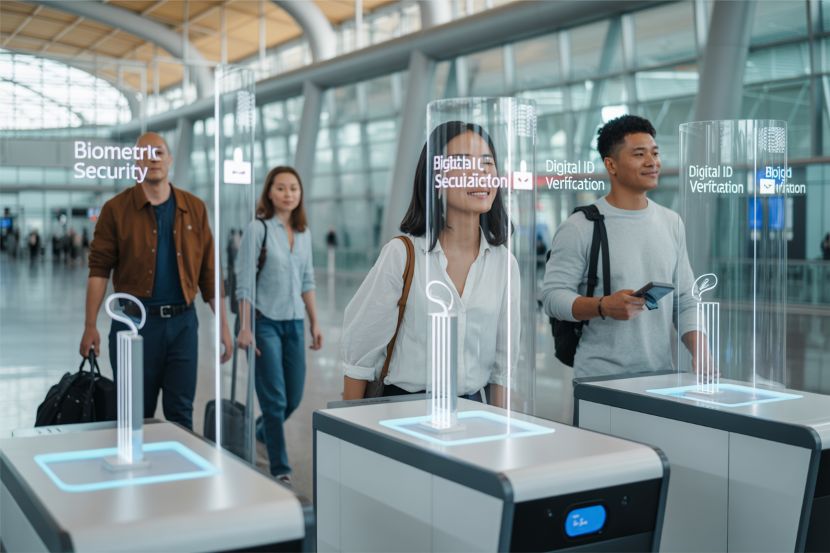
Faster global entry enrollment
The Global Entry application process, known for its complexity, is being streamlined by AI. The U.S. Customs and Border Protection (CBP) has integrated AI-powered tools into its mobile application, making enrollment and management significantly easier. According to the CBP website (cbp.gov), these tools include automated document scanning and AI chatbots that can answer frequently asked questions and guide applicants through the process.
The DHS reports that AI now flags application errors before they cause months of delays. Using the TTP Mobile App, you can reschedule interviews or check status updates without waiting for a letter in the mail. It's a direct fix for the old, slow bureaucracy.
The impact on travelers is substantial. Wait times for interviews are decreasing, and the overall application experience is becoming more user-friendly. The AI chatbots can handle a large volume of inquiries simultaneously, reducing the burden on human customer service representatives. This means faster responses and quicker resolutions to issues. The mobile app's interview management features are especially helpful for those traveling on short notice.
Real-time threat tracking
Traditional government travel advisories are valuable, but they often lag behind rapidly changing events. A new generation of apps is emerging that uses AI to aggregate data from a wider range of sources—news feeds, social media, local reports, and even crowdsourced information—to provide a more nuanced and current risk assessment. These apps don't replace official warnings, but they offer an extra layer of awareness, particularly in situations where official guidance is limited.
These apps work by analyzing vast amounts of data in real-time, identifying patterns and anomalies that might indicate potential threats. They can flag areas with increased political unrest, outbreaks of disease, or heightened criminal activity. However, it’s crucial to understand how these apps handle misinformation. Reputable apps employ algorithms to verify information and filter out false or misleading content.
I’ve found that the best apps clearly indicate their sources and provide a confidence level for their assessments. They also acknowledge the inherent uncertainties involved in predicting events. Relying solely on any single source of information is unwise; these apps should be used as one tool among many in your travel safety toolkit. They can be incredibly helpful for staying informed about local conditions, but ultimately, your own judgment is paramount.
One challenge is the potential for bias in the data sources. If an app relies heavily on information from a particular political viewpoint, its risk assessments may be skewed. It's important to choose apps that strive for objectivity and transparency in their data collection and analysis.
- Verify where the app pulls its data, like local news or police feeds.
- Look for transparency in their methodology.
- Consider multiple sources of information.
- Use your own judgment.
AI-Powered Translation & Communication
Real-time translation has come a long way, and AI is driving the latest advancements. We're moving beyond simple word-for-word translation to apps that understand context and cultural nuances. This is particularly important when navigating sensitive situations or trying to build rapport with locals. The ability to understand meaning, not just words, is a game-changer.
Most reliable apps now work offline. If you're in a rural area without a signal, you can still pull up emergency phrases or medical requests. It's a safety net for when things go wrong and you can't find a Wi-Fi signal.
I’ve been impressed with apps that allow you to upload images of text (like menus or signs) and receive an instant translation. This is incredibly helpful when you encounter languages with unfamiliar scripts. The best apps also offer voice-to-voice translation, allowing for real-time conversations. It's not perfect, but it's getting remarkably good at bridging communication gaps.
Lost & Found: AI-Driven Item Tracking
Losing luggage or personal belongings is a common travel nightmare. AI-powered item tracking apps, leveraging technologies like Bluetooth and ultra-wideband (UWB), are offering a new level of protection. These apps work by attaching small trackers (like Apple AirTags or Tile) to your valuables, allowing you to monitor their location in real-time.
The integration with travel networks – airports and airlines – is becoming increasingly sophisticated. Some apps allow you to report lost items directly to the airline through the app, streamlining the recovery process. There's also growing interest in using image recognition to help identify lost items, but this technology is still in its early stages.
It's important to be realistic about the limitations of these trackers. Bluetooth range is limited, and trackers can be susceptible to interference. They’re most effective in densely populated areas where other users can help locate your items through crowdsourced networks. They aren’t a guarantee of recovery, but they significantly increase your chances.
Navigating Bureaucracy: Visa & Document Management
Keeping track of visa requirements, passport expiration dates, and other essential travel documents can be a logistical challenge. AI-powered apps are stepping in to simplify this process, providing personalized reminders and alerts. These apps can integrate with your calendar and send notifications well in advance of critical deadlines, preventing you from being caught off guard.
I’ve found apps that can help decipher complex visa application processes particularly useful. They break down the requirements into manageable steps and provide guidance on filling out the forms correctly. Some apps also integrate with digital wallet solutions, allowing you to securely store your documents and access them on the go.
The ability to store digital copies of your passport, visa, and other important documents is a significant benefit. While these digital copies aren’t a substitute for the originals, they can be invaluable in case of loss or theft. Just be sure to choose an app with robust security features to protect your sensitive information.
Standout Apps: A Closer Look
After testing numerous options, a few apps consistently stood out for their features, usability, and reliability. TripIt is a comprehensive travel organizer that uses AI to automatically create itineraries from your booking confirmations. It also provides real-time flight alerts and gate change notifications. While the basic version is free, the Pro version offers features like refund monitoring and points tracking.
SafetyWing is a travel insurance provider that leverages AI to offer personalized coverage plans based on your destination and travel style. Their app allows you to easily manage your policy and file claims. They also offer a unique remote worker insurance option.
AiTravelAssistant (based on the GitHub project bala-ceg/ai-travelassistant) is a promising tool that integrates flight search, hotel booking, and sightseeing recommendations using LangChain, Apify, and OpenAI. It generates structured travel itineraries, but currently requires some technical expertise to set up and use. It is still in development, but has the potential to be a powerful trip planner.
These apps aren’t perfect. TripIt can sometimes be slow to recognize booking confirmations, and SafetyWing's coverage may not be as comprehensive as some traditional insurance providers. AiTravelAssistant is still a work in progress, but its innovative approach to trip planning is worth watching.

No comments yet. Be the first to share your thoughts!