

Beyond Hostels: Rethinking Affordable Travel
Exploring the world for under $50 a day might sound restrictive, even impossible. But it isn’t about deprivation—it’s about making informed choices. Prioritize experiences over luxury, and understand that incredible adventures don’t require a fortune. Budget travel requires planning. Expect continued increases in flight prices and potential economic shifts globally, but also new opportunities, particularly with the rise of remote work visas and a growing desire for authentic travel.
The biggest misconception is that affordable travel means sacrificing quality or missing out on amazing things. That's simply not true. It means being resourceful, embracing local culture, and being open to different ways of experiencing a place. Swap a fancy hotel for a cozy guesthouse, or a tourist-trap restaurant for a bustling street food stall.
Travel is becoming more accessible to a wider range of people, and that’s fantastic. Shift your mindset. Instead of focusing on what you can’t afford, focus on all the incredible things you can experience. This isn't about roughing it; it’s about smart travel. Create unforgettable travel experiences without breaking the bank.
Flight & Transport: The Biggest Expense
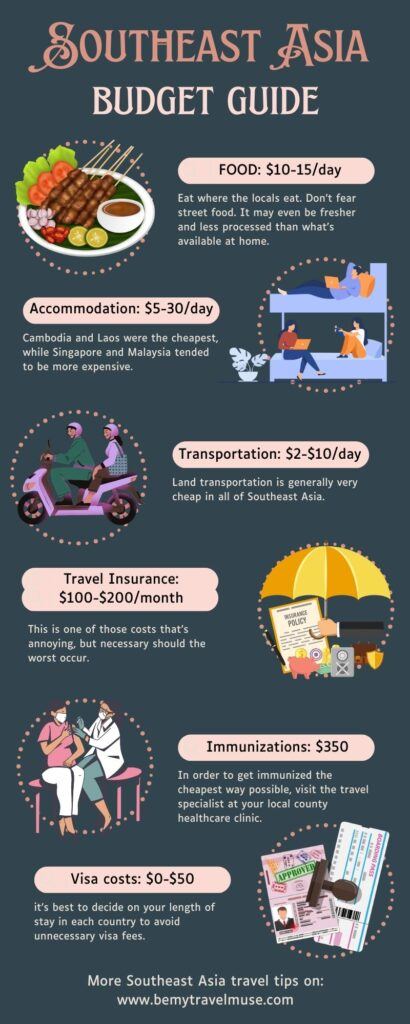
Transportation is almost always the biggest chunk of a travel budget, so minimizing these costs is essential. Travel during the shoulder season—the periods between peak and off-peak seasons. You'll find lower prices and fewer crowds, though the weather may be a bit less predictable. Use flight comparison sites like Skyscanner, Google Flights, and Momondo. Google Flights’ price tracking feature is especially useful, sending email alerts when prices drop.
Don’t overlook budget airlines like Ryanair, EasyJet, and Spirit. They can offer incredibly cheap fares, but be aware of extra fees for baggage, seat selection, and even printing your boarding pass. Factor those costs into your overall budget. For longer distances, consider alternative transport options like overnight buses, trains, or ferries. These can be slower, but often far cheaper, and sometimes offer a more scenic experience.
Long-term travel passes like Eurail or the Japan Rail Pass can be worthwhile if you plan to travel extensively within a specific region, but they aren’t always the cheapest option. Carefully calculate whether the pass will actually save you money compared to individual tickets. Don’t underestimate the power of credit card points and miles. Saving up for a travel rewards card and strategically using it for everyday purchases can significantly offset your flight costs.
Comparative Analysis of Transport Options for Budget Travelers (2026)
| Transport Mode | Speed | Comfort | Cost | Environmental Impact |
|---|---|---|---|---|
| Flights | High | Medium to High (dependent on class) | Medium to High | High |
| High-Speed Trains | High | High | Medium to High | Medium |
| Conventional Trains | Medium | Medium | Medium | Medium |
| Long-Distance Buses | Low to Medium | Low to Medium | Low | Medium |
| Ferries | Low to Medium | Low to High (dependent on ferry type) | Low to Medium | Medium |
| Ride Sharing (e.g., BlaBlaCar) | Medium | Low to Medium | Low | Medium |
| Local Buses/Minibuses | Low | Low | Very Low | Low to Medium |
Illustrative comparison based on the article research brief. Verify current pricing, limits, and product details in the official docs before relying on it.
Accommodation Hacks: Beyond the Hotel
Hotels aren’t the only game in town. Hostels are the classic budget accommodation choice, and many now offer private rooms for a bit more comfort and privacy. Airbnb can be a good option, particularly for longer stays, but be mindful of cleaning fees and potential safety concerns – always read reviews carefully. Guesthouses, often family-run, provide a more authentic local experience and are usually cheaper than hotels.
Couchsurfing connects you with locals who offer free accommodation in their homes. It’s a great way to meet people and experience a destination from a local perspective, but safety is paramount. Thoroughly vet potential hosts and read their references. House-sitting involves caring for someone’s home and pets while they’re away, in exchange for free accommodation. Websites like TrustedHousesitters can help you find opportunities.
Work exchanges, through platforms like Worldpackers and Workaway, allow you to volunteer in exchange for accommodation and sometimes meals. This is a great way to immerse yourself in a local community and learn new skills. Whatever accommodation you choose, reading recent reviews is crucial. Look for consistent patterns – both positive and negative – to get a realistic picture.
Food & Drink: Eating Like a Local
Eating well doesn’t have to be expensive. Street food is often the most delicious and affordable option, offering a genuine taste of local cuisine. Explore local markets for fresh produce, snacks, and ingredients if you have access to a kitchen. Cooking your own meals, even simple ones, can save a lot of money. Even a simple breakfast of bread, cheese, and fruit from a local market is far more satisfying—and cheaper—than a hotel buffet.
Take advantage of happy hour deals at bars and restaurants. Avoid tourist traps, where prices are inflated and the quality is often lower. Ask locals for recommendations – they’ll know the best spots. Be respectful of local food customs. Learn a few basic phrases to order food and show your appreciation.
In Hanoi, Vietnam, a tiny pho stall tucked away in a side street offered incredible pho for less than $2. It was a far more authentic experience than any of the restaurants catering to tourists. That’s the kind of experience budget travel unlocks.
Essential Gear for Under $50/Day Travel in 2026
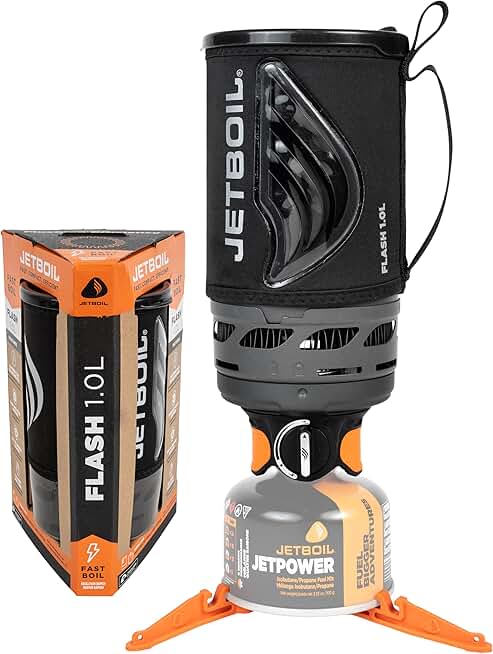
Boils water in just over two minutes · One-step, reliable push-button igniter · Compact and lightweight design for easy packing
This portable stove allows budget travelers to quickly and easily prepare hot meals and drinks, saving money on restaurant food.

Reduces chlorine, mercury, cadmium, and copper · BPA-free construction · Durable and leak-proof design
This reusable water bottle with a built-in filter ensures access to safe drinking water from various sources, eliminating the need to constantly buy bottled water.
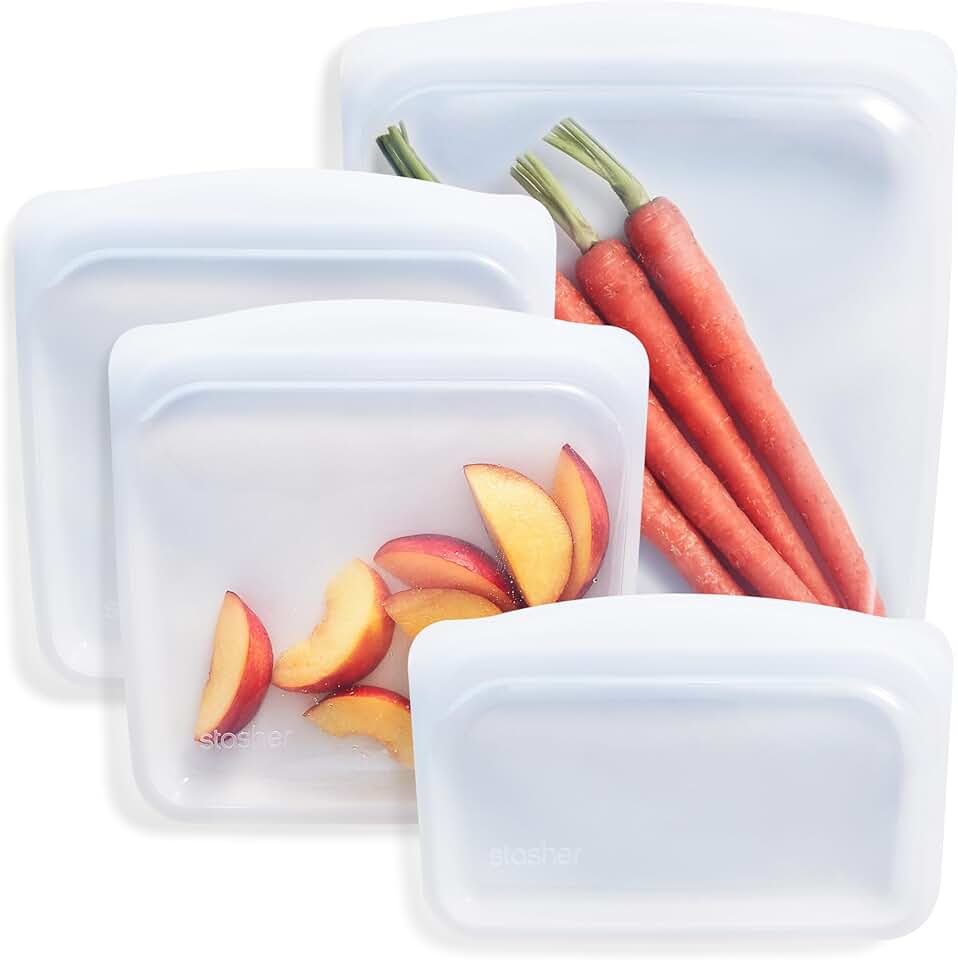
Made from 100% platinum-grade silicone · Dishwasher, microwave, oven, and freezer safe · Seal-tight pinch lock for secure storage
These versatile reusable bags are ideal for storing snacks, meals, and leftovers, reducing waste and the expense of single-use packaging.

GaN technology for faster charging and smaller size · 5 ports (3 USB-C, 2 USB-A) with PD and QC fast charging · Covers over 150 countries with universal plug compatibility
This all-in-one adapter ensures devices can be charged anywhere in the world, supporting multiple gadgets simultaneously and reducing the need for multiple chargers.

Set includes six distinct international spice blends · Ideal for enhancing home-cooked meals · Compact packaging for travel
This spice set allows travelers to add flavor to their own simple meals, making budget-friendly cooking more enjoyable and varied.
As an Amazon Associate I earn from qualifying purchases. Prices may vary.
Free & Low-Cost Activities: The Real Value
Many of the best travel experiences are free or very cheap. Walking tours are a fantastic way to explore a city and learn about its history and culture. Many cities offer free walking tours – just tip your guide if you enjoy it. Look for museums with free admission days or discounted rates. Parks, gardens, and hiking trails offer opportunities to connect with nature and enjoy the outdoors.
Attending local festivals and events can provide a unique cultural immersion. Volunteering is a great way to give back to the community and meet new people. City passes can offer discounts on attractions and public transportation, but carefully evaluate whether the pass will actually save you money based on your planned activities.
Don’t underestimate the value of simply wandering around and getting lost in a new city. Some of the most memorable travel experiences are unplanned discoveries. These experiences often provide the most authentic cultural immersion, and they don’t cost a penny.
Staying Connected & Safe: Essential Tech
Staying connected doesn’t have to be expensive. Consider purchasing a local SIM card or using an eSIM for affordable data access. Free Wi-Fi is available in many cafes, libraries, and public spaces. Travel insurance is essential. Providers like World Nomads and SafetyWing offer comprehensive coverage for travelers. SafetyWing is a good option for its affordability and flexibility.
Be aware of common scams targeting tourists. Protect your belongings from pickpockets and thieves. Make copies of important documents, such as your passport and visa. Essential travel apps include maps (Google Maps, Maps.me), translation apps (Google Translate), and currency conversion apps (XE Currency).
Registering with your embassy or consulate can provide assistance in case of emergencies. Let someone back home know your itinerary and check in regularly. A little preparation can go a long way in ensuring a safe and enjoyable trip.
Global Entry & Border Crossing in 2026
null
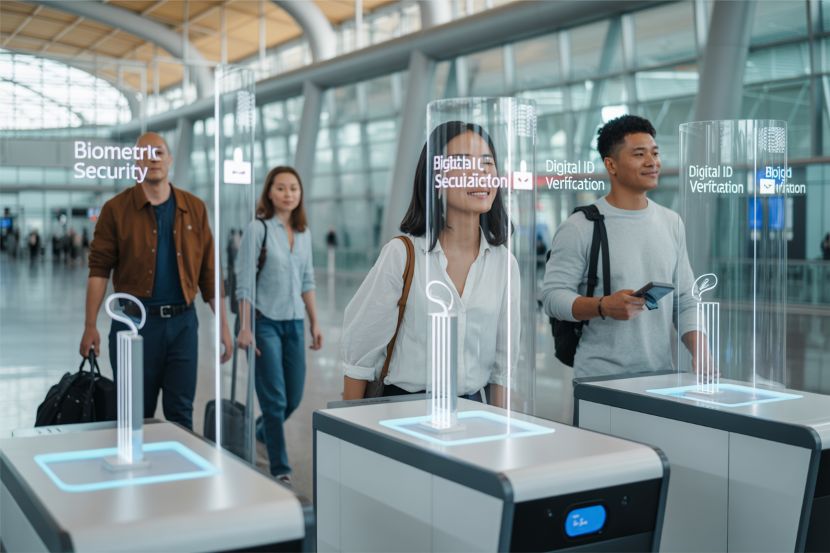
As of late 2024, the application fee for Global Entry is $100. The program is valid for five years. While I'm not sure about significant changes to visa rules by 2026, it's essential to check the visa requirements for your specific destinations well in advance of your trip. The U.S. State Department website is a reliable resource.
Resources like VisaHQ and CIBTvisas can assist with visa applications, but they charge a fee for their services. Always allow ample time for visa processing, as it can sometimes take several weeks or even months. Being prepared and having the necessary documentation will make your border crossings much smoother.
Standout Destinations: $50/Day Feasibility
Several destinations around the world are particularly well-suited for $50/day travel in 2026. Southeast Asia remains a top choice, with countries like Thailand, Vietnam, and Cambodia offering incredibly affordable accommodation, food, and transportation. In Thailand, $50 can easily cover a comfortable guesthouse room, delicious street food, and local transportation.
Eastern Europe is another excellent option. Albania, Bulgaria, and Romania offer stunning scenery, rich history, and low prices. In Albania, you can find guesthouses for under $20 a night and enjoy hearty meals for just a few dollars. Central America, particularly Guatemala and Nicaragua, offers a vibrant culture and affordable prices. $50 a day can cover basic accommodation, food, and activities.
Parts of South America, such as Bolivia and Ecuador, are also very affordable. In Bolivia, you can explore the Salar de Uyuni (salt flats) on a budget tour and enjoy delicious local cuisine. It’s important to remember that $50/day is a guideline, and actual costs will vary depending on your travel style and spending habits. But with a little planning and resourcefulness, you can experience the world without emptying your wallet.

No comments yet. Be the first to share your thoughts!