

Prerequisites for global trusted traveler programs
Before you apply, understand that "Trusted Traveler" is not a single membership. It is an umbrella term for five distinct programs run by U.S. agencies: Global Entry, TSA PreCheck, NEXUS, SENTRI, and FAST [src-serp-1]. Each program serves different travel needs, and choosing the wrong one wastes time and money.
Global Entry is the most comprehensive option for international travelers. It includes TSA PreCheck benefits for domestic flights but adds expedited customs clearance when entering the United States [src-serp-2]. If you only fly domestically, Global Entry is overkill. In that case, TSA PreCheck alone is cheaper and sufficient.
Your eligibility depends on citizenship and criminal history. U.S. citizens, U.S. lawful permanent residents, and citizens of certain partner countries can apply. However, a history of customs violations, drug offenses, or incomplete application forms can lead to denial. Check your record before applying to avoid non-refundable application fees.
Start by creating a Trusted Traveler Programs (TTP) account. This single portal manages applications for all five programs. You will need a valid passport, driver’s license, and proof of residency. The process takes weeks, so apply at least two months before your first trip.

Work through the steps
Global Traveler’s works best as a clear sequence: define the constraint, compare the realistic options, test the tradeoff, and choose the path with the fewest hidden costs. That order keeps the advice usable instead of decorative. After each step, pause long enough to check whether the recommendation still fits the reader's actual situation. If it depends on perfect timing, unusual access, or a best-case budget, include a simpler fallback.
Fix common mistakes
Biometric entry and trusted traveler programs offer speed, but they require precise preparation. A single error in your application or at the checkpoint can turn a five-minute walk into a two-hour delay. The difference between a smooth arrival and a denied entry often comes down to data accuracy and document readiness.
Application errors
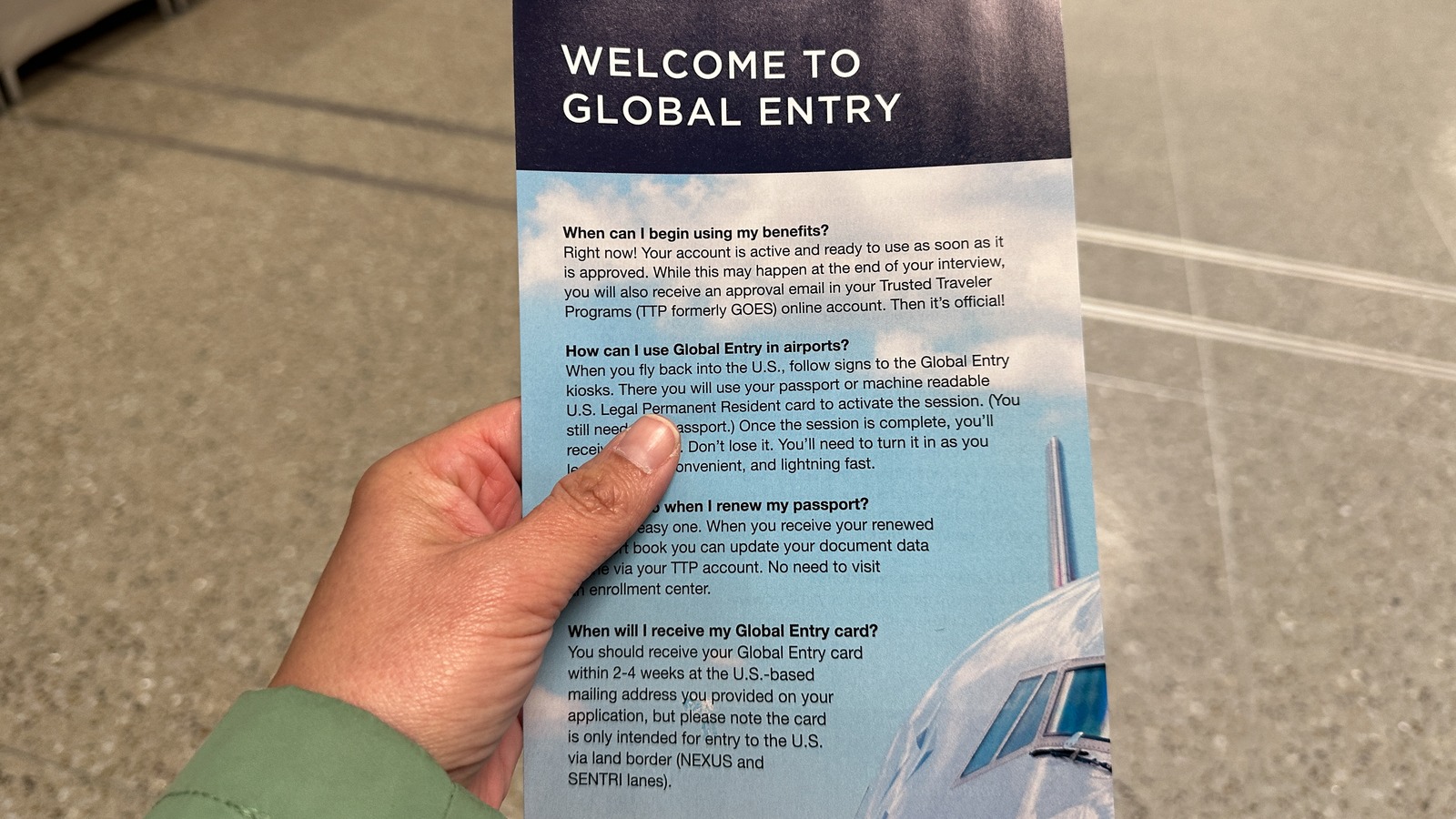
Most Global Entry rejections stem from incomplete or inconsistent biographical data. Travelers frequently list a middle name that differs from their passport or omit previous addresses required for background checks. Even minor discrepancies, such as a typo in a social security number, trigger manual reviews that delay approval by weeks. Always cross-reference your application against your physical passport and government IDs before submitting.
Checkpoint confusion
Arriving at the airport without your physical enrollment card causes unnecessary friction. While facial recognition is expanding, many international airports and older kiosks still require the physical card to activate your biometric profile. Additionally, assuming Global Entry covers TSA PreCheck is a common trap; while it includes PreCheck for domestic departures, it does not automatically grant access to all international expedited lines without proper documentation.
Document mismanagement
Your passport must be valid for the entire duration of your trip, and some countries require six months of validity beyond your return date. If your biometric profile is linked to an expired passport number, the system will reject your scan. Keep a digital copy of your Known Traveler Number (KTN) and your Global Entry card separate from your passport to ensure you can access them even if your primary documents are held up in security.
Global trusted traveler: what to check next
These answers address the most common practical hurdles travelers face when deciding whether to enroll in biometric entry programs. Use this section to clarify eligibility, compare benefits, and understand disqualifying factors before submitting your application.
No comments yet. Be the first to share your thoughts!