

The $50 daily reality in 2026
Travel costs are climbing. A $50 daily budget used to be easy, but in 2026, that money has to work harder. You'll have to skip the hotels with thread counts and focus on the street food stalls. It isn't about luxury; it's about seeing the world without a massive credit card bill.
The American Express 2026 Global Travel Trends Report suggests travelers are prioritizing value and unique experiences, even if it means adjusting expectations. People are less focused on lavish accommodations and more interested in immersive cultural encounters. This shift actually works in our favor; it means there's a growing demand for the kind of travel $50/day facilitates.
I'm not going to sugarcoat it: this requires effort. It means researching, planning, and being flexible. But it’s absolutely possible to explore the world without breaking the bank. It’s about shifting your mindset from what you can get to what you can experience with the resources you have. We’ll focus on practical strategies, not aspirational dreams.
Transport hacks that actually work
Flights are usually the biggest hurdle. Ryanair and Spirit have low base fares, but they make their money on the extras. If you don't pay for your bag or print your pass at home, the price doubles. Check the total cost before you click buy.
"Hidden city’ ticketing – booking a flight with a connection through your desired destination and disembarking there – can save money, but it’s risky. Airlines frown upon this practice and may cancel connecting flights if they suspect you’re doing it. Do your research and understand the potential consequences before attempting this. I generally advise against it unless you"re comfortable with the risk.
Positioning flights – flying into a smaller, less popular airport near your destination and taking ground transport – can also yield savings. For example, flying into Beauvais instead of Charles de Gaulle when visiting Paris. Overnight buses and trains are excellent options, saving you on accommodation costs and maximizing your travel time. They aren’t always glamorous, but they are efficient.
- Skyscanner works well for comparing prices across different airlines.
- Google Flights: Offers price tracking and explore features.
- Rome2Rio: Helps you find the cheapest way to get from point A to point B, combining flights, trains, buses, and ferries.
Transport Options – Cost vs. Comfort vs. Time
| Transport Mode | Approximate Cost | Comfort (1-5 stars) | Travel Time | Risk |
|---|---|---|---|---|
| Budget Airline | Low to Medium | 2 stars | Short to Medium | Low to Medium (potential for delays/cancellations) |
| Train | Medium to High | 3-4 stars | Medium to Long | Low (generally reliable) |
| Bus | Low | 1-2 stars | Medium to Long | Medium (potential for delays, varying comfort levels) |
| Positioning Flight | Low to Medium | 2-3 stars | Short to Medium | Medium (relies on availability, potential for missed connections) |
| Hidden City Ticketing | Low | 1-2 stars | Short to Medium | High (against airline terms, potential for penalties, baggage issues) |
| Overnight Bus | Low | 1 star | Long | Medium (safety concerns in some regions, limited comfort) |
Illustrative comparison based on the article research brief. Verify current pricing, limits, and product details in the official docs before relying on it.
Ditching the hotel standard
Hotels are often the biggest drain on a travel budget. Hostels are a fantastic alternative, offering dorm rooms for incredibly low prices. Many hostels also have private rooms available, which can be a good compromise between cost and privacy. Airbnb can be affordable, but watch out for cleaning fees and service charges that can significantly inflate the price.
Guesthouses, often family-run establishments, provide a more authentic local experience and are typically cheaper than hotels. Couchsurfing connects you with locals who offer free accommodation, but prioritize safety. Thoroughly read profiles, check references, and communicate extensively with potential hosts before accepting an offer. House-sitting allows you to stay in someone’s home while they’re away, in exchange for taking care of their property and pets.
Traveling during the shoulder season – the periods between peak and off-peak seasons – can significantly lower accommodation costs. I've found that October and April often offer the best balance of good weather and lower prices. I once spent a month in Portugal, splitting my time between hostels and Airbnb, averaging around $20/night for accommodation. Don't compromise on safety to save a few dollars; read reviews and trust your gut.
- Hostelworld is the standard for finding cheap dorms or private rooms.
- Airbnb: Explore a wide range of accommodation options.
- TrustedHousesitters: Connect with homeowners needing pet and house care.
Food & Drink: Eating Like a Local
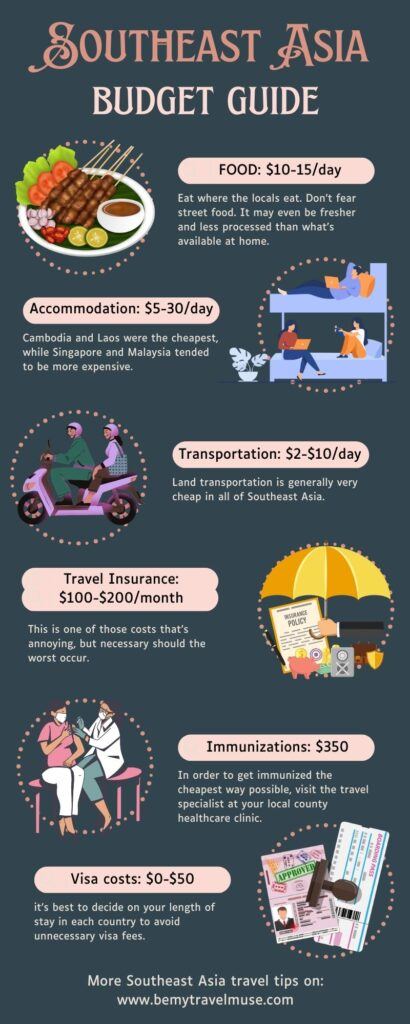
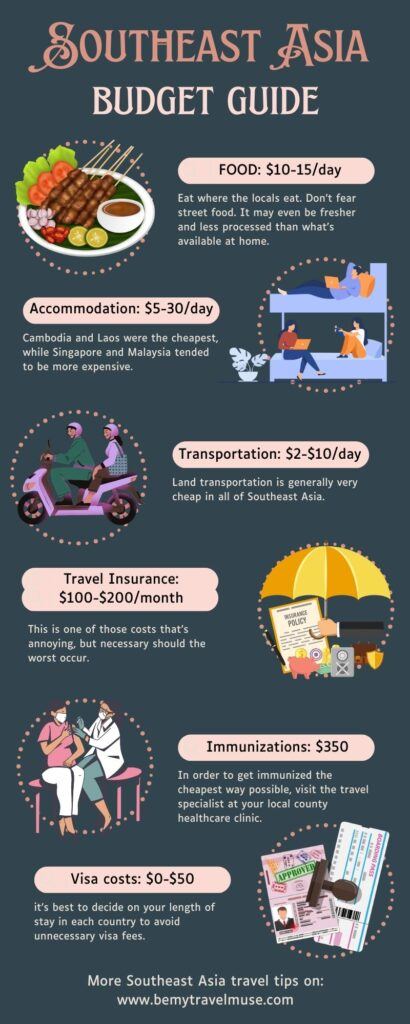
Skip the restaurants with laminated English menus and pictures of the food. They're overpriced. I find the best meals at local markets or street stalls where there's a long line of residents. It's cheaper and usually tastes better, though I check that the grill is hot and the vendor is busy before I order.
Cooking your own meals, if your accommodation has kitchen facilities, is a great way to save money. Grocery stores are significantly cheaper than restaurants. Look for local supermarkets rather than expat-oriented stores. Happy hour deals can help you enjoy drinks without breaking the bank. I’ve discovered some of my favorite meals simply by asking locals for recommendations.
Understanding local pricing is key. Learn the approximate cost of common items to avoid being overcharged. I once paid $10 for a bottle of water in a tourist area, only to find the same bottle for $1 in a local shop a block away. Don't be afraid to try new things – you might discover your next favorite dish!
Gear Up: Essential Packing for Less
Minimizing your luggage is key to avoiding baggage fees. Budgettravel.com rightly points out the transformative power of packing cubes – they keep your belongings organized and compress your clothes, saving space. Versatile clothing items that can be mixed and matched are essential. A few high-quality, quick-drying items are better than a suitcase full of clothes you’ll never wear.
Essential toiletries can be purchased in travel sizes or decanted into reusable containers. A good quality backpack is a worthwhile investment. Consider a universal travel adapter, a reusable water bottle, and a portable power bank. Don't forget a basic first-aid kit with essentials like pain relievers, bandages, and antiseptic wipes.
Travel insurance is a non-negotiable expense, even on a budget. It can protect you against unexpected medical expenses, lost luggage, and trip cancellations. I recommend World Nomads or SafetyWing, both of which offer affordable plans tailored to budget travelers. I’ve used World Nomads myself and found their customer service to be excellent.
- Packing Cubes: Organize and compress your belongings.
- Universal Travel Adapter: Essential for international travel.
- Reusable Water Bottle: Stay hydrated and reduce plastic waste.
Budget Travel Essentials: Your Toolkit for Exploring the World on Under $50 a Day

10-piece set with multiple bag types · Compression design saves space · Includes hanging toiletry bag and laundry bag
These packing cubes are essential for maximizing luggage space and keeping your belongings organized, crucial for efficient budget travel.

45W GaN fast charging · 5 ports (2 USB-A, 3 USB-C) · Universal compatibility (UK/US/AU and more)
This all-in-one adapter ensures you can charge all your devices quickly and reliably across different countries, preventing power-related travel disruptions.

Insulated stainless steel construction · 32 oz capacity · Wide straw lid
A reusable water bottle saves money on buying bottled water and reduces waste, a key strategy for staying within a daily budget.

Quick-drying microfiber material · Super absorbent · Ultra-compact and lightweight
This quick-drying, compact towel is a versatile and space-saving essential for hygiene and comfort during your travels.

Accurate weight measurement up to 110 lbs · Built-in temperature sensor · Compact and easy to use
Prevent costly surprises at the airport by accurately weighing your luggage beforehand, ensuring you stay within airline weight limits and budget.
As an Amazon Associate I earn from qualifying purchases. Prices may vary.
Free Activities: The Soul of Budget Travel
The best experiences aren’t always the most expensive. Many cities offer free walking tours, providing a great introduction to the local culture and history. Museums often have free admission days or evenings. Parks, beaches, and hiking trails offer opportunities to connect with nature without spending a dime.
Free walking tour apps and websites, like GuruWalk, connect you with local guides offering free tours (tips are appreciated). Exploring local markets, attending free festivals and events, and simply wandering around a city can be incredibly rewarding. I once spent an entire day exploring the street art in Lisbon, Portugal, without spending a single euro.
Budget travel is about experiencing a place, not just seeing it. It's about immersing yourself in the local culture, connecting with people, and discovering hidden gems. It’s about slowing down and appreciating the simple things.
Digital Nomad Tools: Staying Connected Affordably
Staying connected is essential for many travelers, but international roaming charges can be exorbitant. Affordable SIM cards are a great option, allowing you to purchase local data plans. Airalo offers eSIMs for many countries, which can be activated digitally without needing a physical SIM card. Consider using free Wi-Fi hotspots, but be mindful of security risks.
Using a VPN (Virtual Private Network) is crucial for protecting your data when using public Wi-Fi. It encrypts your internet connection, preventing hackers from intercepting your personal information. Apps like WiFi Map help you find free Wi-Fi hotspots. Expense tracking apps, like Trail Wallet, can help you stay on budget.
Staying connected doesn’t have to break the bank. By leveraging affordable SIM cards, free Wi-Fi, and secure VPNs, you can stay in touch with loved ones, access information, and navigate your travels without exceeding your budget. It’s about finding the right tools and using them wisely.
What is your favorite free activity when traveling on a budget?
Budget travel is all about making the most of experiences that cost nothing. Whether you are strolling through historic neighborhoods or soaking in natural scenery, free activities often become the most memorable parts of any trip. Vote below and let the Global Trusted Traveler community know how you prefer to explore without spending a dime!

No comments yet. Be the first to share your thoughts!