

The Rise of AI Travel Assistants
Planning a trip used to mean wrestling with a dozen browser tabs, comparing flight prices, reading hotel reviews, and trying to piece together a coherent itinerary. The overwhelm of planning was often exhausting before the trip even began. Thankfully, things are changing rapidly.
For years, travel technology focused on making booking easier. Online travel agencies like Expedia and Priceline revolutionized how we find options, but the planning itself still fell largely on the traveler. Early recommendation systems offered generic suggestions based on limited data. Now, we’re entering a new era powered by artificial intelligence.
The shift isn’t just about efficiency; it’s about curation. AI learns what you want, anticipates your needs, and crafts experiences tailored to your individual preferences. It moves from information overload to insightful guidance. This is happening now, reshaping how we explore the world.
Companies like Layla.ai offer fully planned trips, incorporating live pricing and expert support. They demonstrate AI's potential to handle travel planning complexities from start to finish.
Personalized Itineraries: Beyond Basic Recommendations
AI-powered travel planning goes beyond suggesting hotels based on star ratings. Algorithms analyze vast datasets to understand traveler preferences. This includes past travel history, stated interests, real-time data like weather and local events, and social media activity – all while respecting user privacy.
The key difference is personalization. AI algorithms identify nuanced patterns and connections that humans miss. For example, an AI might notice you frequently visit museums focused on 19th-century art and suggest a lesser-known gallery in Florence specializing in the same period.
Dynamic adjustments are possible. If a rainstorm is predicted during your planned outdoor activity, the AI can suggest alternative indoor options, re-routing your itinerary in real-time. This relies on Natural Language Processing (NLP), allowing the AI to understand your requests and respond conversationally.
- Preference Analysis: Past trips, interests, budget.
- Real-Time Data: Weather, events, traffic.
- Social Media Insights: (Optional, with user consent) to understand travel style.
Smarter Booking: Flights, Hotels, and More
AI transforms the booking process, not solely by finding the cheapest price. AI considers multiple factors to find the best value. This includes layover times, baggage allowances, seat preferences, potential flight delays (predicted based on historical data and real-time conditions), and the carbon footprint of different flight options.
Hotel recommendations are becoming more sophisticated. AI algorithms look beyond star ratings and consider factors like ambiance, neighborhood safety scores, proximity to attractions you’ve expressed interest in, and user reviews analyzed for sentiment. A hotel rated highly for families might not be ideal for a solo traveler, and AI can recognize that.
The impact extends to package deals and all-inclusive resorts. AI can combine flights, hotels, and activities into customized packages, often at a lower price than booking each component separately. These systems can identify hidden fees and potential drawbacks, providing a more transparent and informed booking experience. For instance, an AI might flag a resort with consistently negative reviews regarding its food quality.
Several services offer price prediction, alerting you when the optimal time to book a flight or hotel is likely to be. Hopper, for example, uses historical data to forecast price fluctuations with good accuracy.
Real-Time Travel Assistance: Your AI Co-Pilot
AI benefits don’t end once your trip begins. AI-powered chatbots provide 24/7 support, answering questions, resolving issues, and offering local recommendations. These chatbots are available through travel apps, messaging platforms, and directly on airline and hotel websites.
Need to know the best way to get from the airport to your hotel in a city you’ve never visited? The AI can provide detailed directions, including public transportation options, estimated costs, and real-time traffic updates. Lost your luggage? The AI can help you file a claim and track its location. Facing a language barrier? AI-powered translation tools facilitate communication.
This support is valuable for solo travelers or those visiting countries with unfamiliar languages and customs. Integration with wearable tech, like smartwatches, is becoming common, allowing for hands-free access to information and assistance. Imagine asking your watch for a nearby restaurant with vegan options and receiving a list of recommendations.
Having an AI co-pilot provides peace of mind, reducing stress and allowing you to focus on enjoying your travel experience.
Navigating Visa Requirements with AI
Navigating visa applications is frustrating. AI is beginning to simplify this. Several tools analyze your passport information, destination country, and travel dates to determine the specific visa requirements you need to meet.
These services tell you if you need a visa and assist with form completion and document preparation, ensuring everything is accurate and submitted correctly. They identify potential issues and provide guidance on how to resolve them, saving you time and potential headaches.
The Department of Homeland Security offers the Trusted Traveler Program (ttp.dhs.gov), streamlining travel for pre-approved individuals. While direct integration of AI into TTP enrollment isn't widespread yet, it's a logical next step. AI could automate the verification of applicant information and expedite the approval process, making it easier to travel internationally.
The immediate future of AI directly within TTP is uncertain, but the potential for streamlining the application and verification process is considerable.
AI and Travel Safety: Proactive Risk Management
AI plays an important role in enhancing travel safety. AI-powered risk assessment tools analyze global events, political instability, health concerns, and social media activity to provide travelers with up-to-date safety alerts and recommendations.
These tools identify potential threats – from natural disasters to civil unrest – and provide personalized advice on how to mitigate risk. For example, if you’re traveling to a region experiencing political protests, the AI might suggest avoiding certain areas or adjusting your travel plans.
Companies like Global Rescue (globalrescue.com) are at the forefront of this effort
AI is also being used to monitor social media for potential threats, identifying early warning signs of potential incidents and alerting travelers accordingly. This proactive approach to risk management can help prevent incidents before they occur.
The Future of AI Travel: What to Expect by 2026
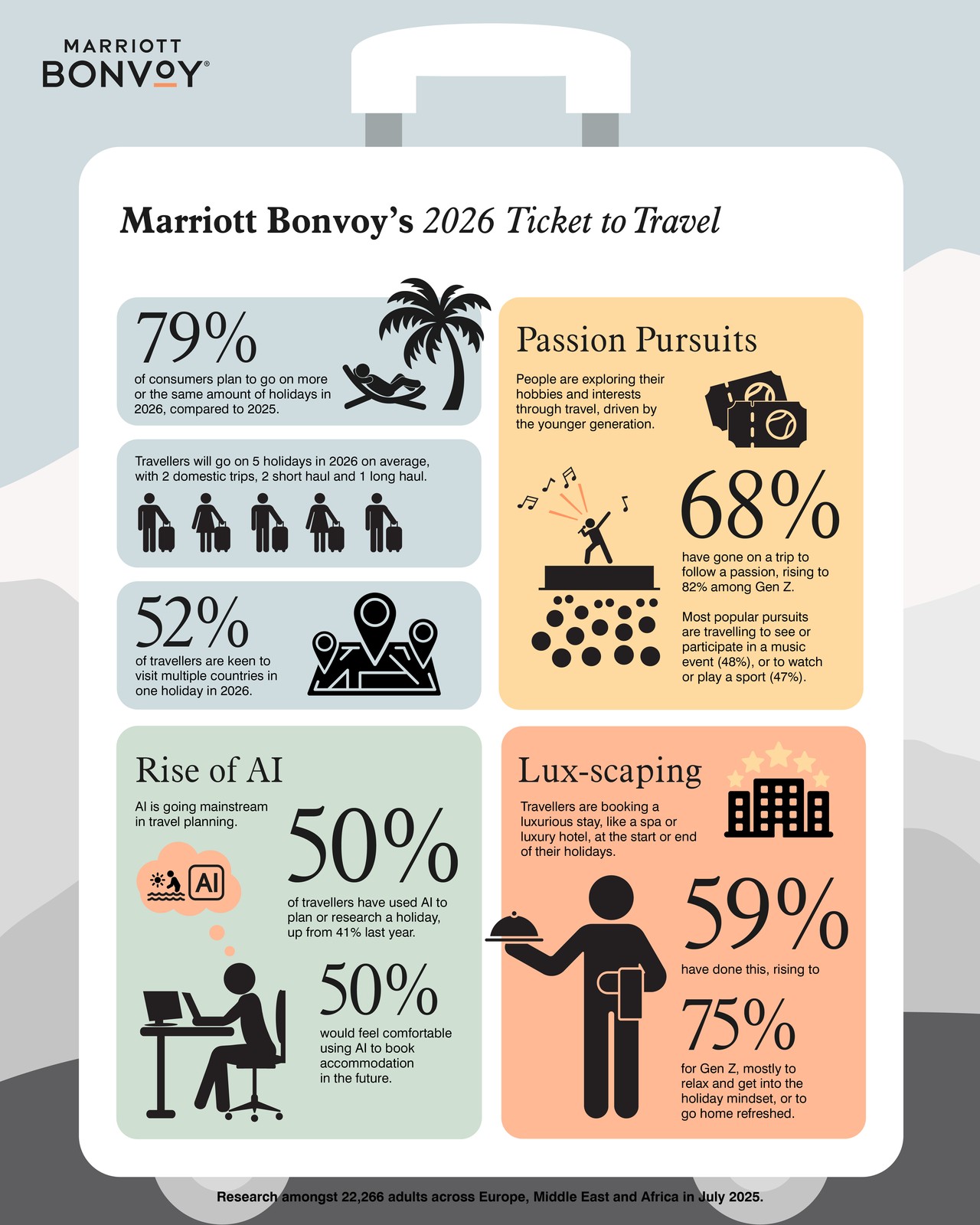
Looking ahead to 2026, we can expect even more significant advancements in AI travel planning. Fully autonomous travel booking – where the AI handles every aspect of your trip from start to finish – is a realistic possibility. This would involve the AI learning your preferences over time and proactively suggesting trips based on your interests and budget.
Hyper-personalized experiences based on biometric data – such as your heart rate and sleep patterns – could also become commonplace. The AI could adjust your itinerary based on your energy levels, suggesting relaxing activities when you’re feeling tired or more adventurous options when you’re feeling energized.
The integration of AI with augmented reality (AR) is another exciting prospect. Imagine using your smartphone to point at a building and instantly receive information about its history and significance, or using AR to visualize your hotel room before you book it. However, I believe these advancements will be incremental rather than revolutionary.
The focus will likely be on refining existing technologies and making them more accessible and user-friendly, rather than introducing entirely new paradigms. We'll see AI become seamlessly integrated into our travel experiences, enhancing convenience, safety, and personalization.
Choosing the Right AI Travel Tools
With a growing number of AI travel tools available, selecting the right one can be overwhelming. It's important to remember that no single tool is perfect, and the best choice depends on your individual needs and travel style. Instead of searching for a 'one-size-fits-all' solution, consider categorizing tools based on their strengths.
All-in-one travel planners, like Layla.ai, handle the entire planning process, from itinerary creation to booking flights and hotels. They are ideal for travelers who want a hands-off experience. Specialized booking assistants, such as Hopper, focus on specific aspects of travel, like finding the best flight deals. They’re great for budget-conscious travelers.
Safety and risk management tools, like those offered by Global Rescue, provide real-time safety alerts and assistance. These are essential for travelers visiting potentially unstable regions. Language translation apps, powered by AI, can facilitate communication in foreign countries. Google Translate is a solid option.
Ultimately, the best approach is to experiment with different tools and find the combination that works best for you. Don’t be afraid to mix and match, using one tool for booking flights, another for itinerary planning, and a third for safety alerts. The goal is to leverage the power of AI to create unforgettable travel experiences.
AI Travel Tool Features (2026)
| Tool Name | Itinerary Planning | Booking Assistance | Safety Features | Language Support | Price |
|---|---|---|---|---|---|
| WanderWise | Excellent | Good | Basic | Good | Subscription Based |
| RoamAI | Good | Excellent | Good | Excellent | Freemium |
| JourneyGenius | Excellent | Good | Limited | Good | One-time Purchase |
| ExploreMind | Good | Basic | Good | Limited | Subscription Based |
| GlobetrotterAI | Basic | Good | Basic | Good | Freemium |
| PathfinderPro | Excellent | Excellent | Excellent | Excellent | Subscription Based |
Illustrative comparison based on the article research brief. Verify current pricing, limits, and product details in the official docs before relying on it.



No comments yet. Be the first to share your thoughts!