

Beyond booking: AI itinerary design
AI is rapidly moving beyond the basic functions of flight and hotel booking. It's evolving into a sophisticated itinerary designer, capable of crafting personalized experiences based on your interests, budget, and travel style. Forget generic recommendations; AI can now consider your past travel history, social media activity, and even your stated preferences to build a trip tailored specifically for you.
AI goes beyond typical tourist hotspots. It isn't limited by pre-defined packages. Instead of just suggesting Rome, an AI might suggest a food tour in Trastevere based on your expressed interest in Italian cuisine, or a workshop with a local artisan if you’ve shown an affinity for crafts. It can uncover hidden gems and off-the-beaten-path destinations you might never have found on your own.
The level of detail is impressive. These tools can factor in travel time between locations, opening hours of attractions, and even local events happening during your trip. This holistic approach to itinerary creation saves time and ensures you make the most of your vacation. Several platforms currently offer this functionality, including Wanderlog and Roam Around, each with its own strengths and specialties.
Predictive safety: AI and risk mitigation
AI enhances travel safety through predictive risk mitigation. Algorithms analyze vast amounts of data – news reports, weather patterns, social media feeds, and health advisories – to identify potential risks at your destination. This provides travelers with the information they need to make informed decisions.
For example, if a sudden political demonstration is planned in a city you’re visiting, an AI-powered travel assistant could proactively alert you and suggest alternative routes or activities. Similarly, if there’s an outbreak of a contagious illness, the AI could provide information about health precautions and recommend nearby medical facilities. This kind of proactive approach can be invaluable in minimizing disruptions and ensuring your well-being.
The Department of Homeland Security’s Trusted Traveler Programs (TTP) already use data analysis to vet travelers and expedite border crossings. While no direct integration of AI into the TTP is currently announced, AI could refine risk assessments, leading to more efficient and secure travel processes. AI could analyze travel patterns, historical data, and real-time information to identify security threats and optimize resource allocation. Security measures are constantly evolving.
AI provides personalized risk assessments. Global Rescue reports that AI can analyze your itinerary and provide a risk profile specific to your travel plans, alerting you to hazards like natural disasters or political instability. This allows you to take appropriate precautions, such as purchasing travel insurance or adjusting your travel dates.
- Check government travel advisories.
- Share your itinerary with family or friends.
- Register with your embassy or consulate.
Your AI travel companion
A 24/7 travel assistant is now at your fingertips, ready to help with any issue that arises. AI-powered chatbots and virtual assistants are becoming increasingly sophisticated, capable of handling a wide range of requests, from flight delays and lost luggage to medical emergencies and language barriers.
If your flight is delayed, an AI assistant can automatically rebook you on the next available flight and notify your hotel. If you lose your luggage, it can help you file a claim and track its location. In a medical emergency, it can connect you with local healthcare providers and translate medical information. This provides significant convenience and peace of mind.
AI also excels at providing instant translation, breaking down communication barriers in unfamiliar environments. It can translate spoken or written language in real-time, allowing you to navigate transportation systems, order food, or ask for directions with ease. Furthermore, AI can offer personalized recommendations for nearby restaurants, attractions, and activities based on your preferences and location.
Navigating AI 'hallucinations'
AI isn’t perfect. A key challenge is "hallucination," where AI generates incorrect or misleading information. This happens because AI models are trained on massive datasets, and sometimes they misinterpret data or create plausible-sounding but factually inaccurate responses. Travelers need to be aware of this limitation.
This often happens due to gaps or biases in the training data. If an AI model hasn’t been exposed to sufficient information about a specific topic, it may struggle to provide accurate answers. If the training data contains biases, the AI may perpetuate them. The algorithms themselves can also contribute, as they sometimes prioritize fluency over accuracy.
To mitigate the risk, cross-reference information from multiple sources. Don't rely solely on AI-generated recommendations; verify them with official websites, guidebooks, and local experts. Use multiple AI tools to compare results. Exercise critical thinking. If something sounds too good to be true, it probably is. AI is a powerful tool, but it’s not a substitute for common sense.
AI and travel accessibility
AI makes travel more inclusive and accessible for people with disabilities or specific needs. Planning a trip with accessibility requirements used to be complex and time-consuming. AI provides tools that personalize travel experiences based on individual requirements.
AI-powered tools provide real-time translation for sign language, allowing deaf or hard-of-hearing travelers to communicate more effectively. They generate audio descriptions of landmarks and attractions for visually impaired travelers. AI identifies accessible routes and transportation options, ensuring everyone can navigate their destination with ease.
AI personalizes travel experiences based on dietary restrictions, medical conditions, or other individual needs. This makes travel more comfortable and enjoyable for everyone, regardless of their abilities. AI can break down barriers and empower travelers with disabilities.
AI's next steps in travel
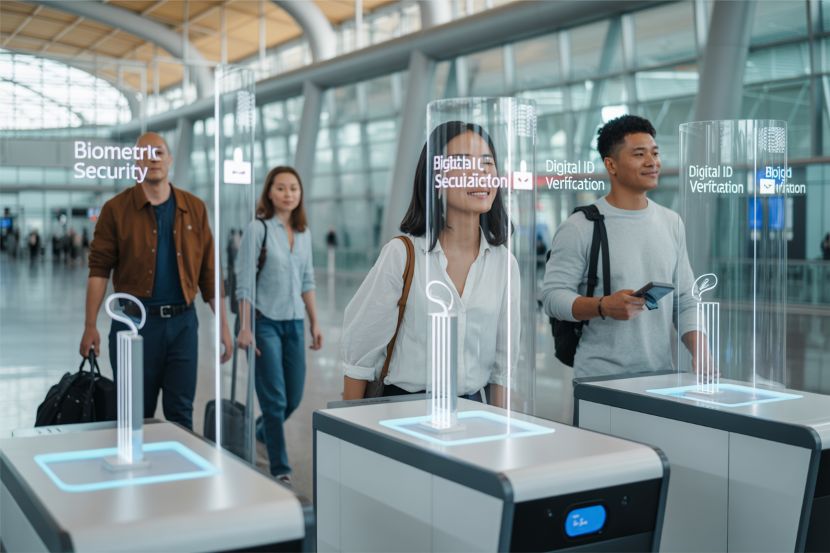
AI integration into travel will deepen. We can expect more sophisticated applications. AI with biometric data could enable seamless border crossings, streamlining security while maintaining safety. Imagine a future where your face or iris scan is all you need to pass through immigration.
Personalized travel insurance, tailored to your specific itinerary and risk profile, is another likely development. AI could analyze your travel plans and automatically adjust your coverage based on hazards. AI is also growing in sustainable tourism, with algorithms optimizing travel routes to reduce carbon emissions and minimize environmental impact.
Global Rescue anticipates AI will continue to refine risk assessments, providing travelers with more accurate and timely information. They also predict AI-powered virtual assistants will become more integrated into the travel experience, offering proactive guidance and support throughout your journey. The future of travel is intertwined with AI evolution, promising a more efficient, personalized, and safe experience for all.

No comments yet. Be the first to share your thoughts!