

The Rise of the AI Travel Agent: Beyond Booking Flights
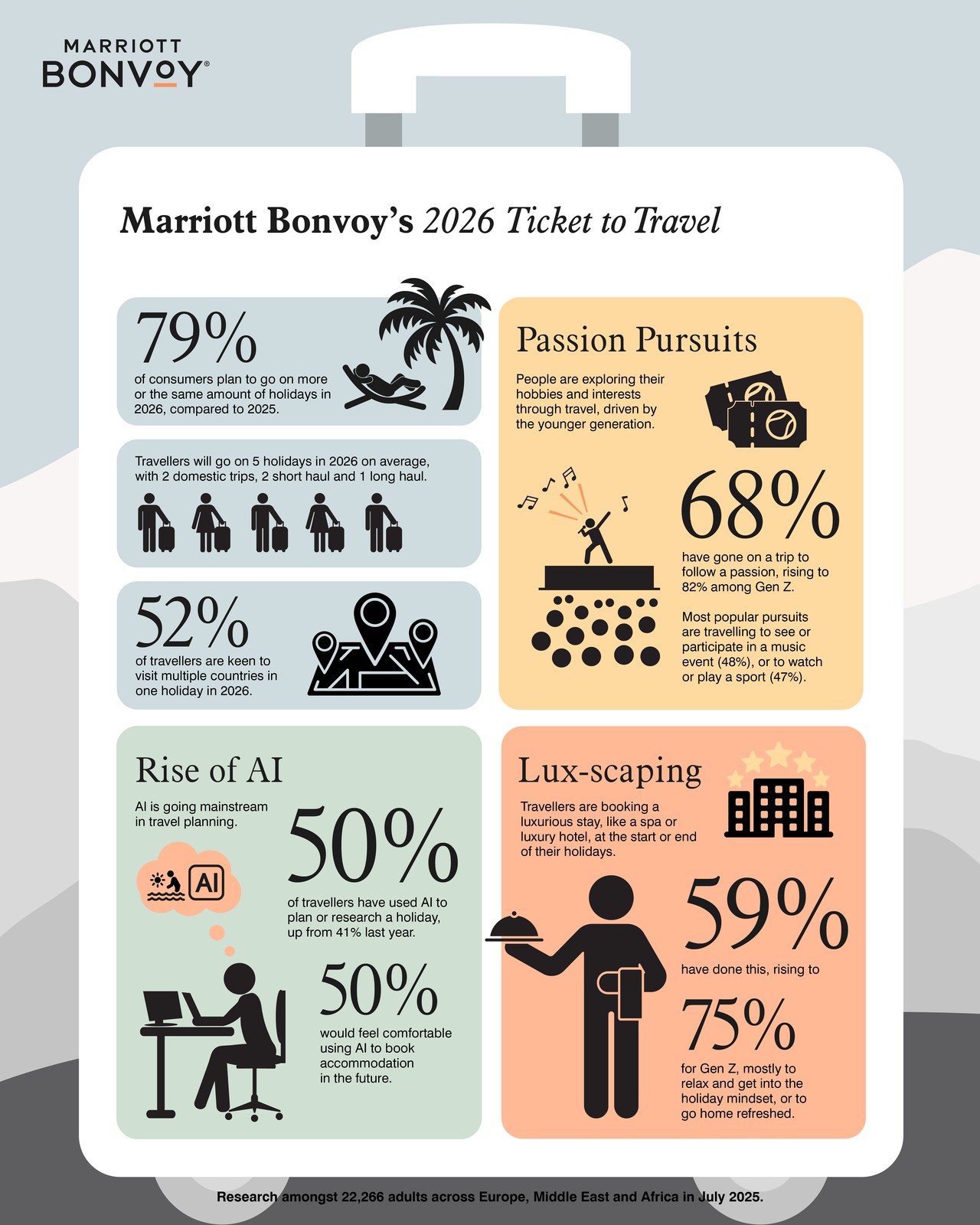
For many, the idea of an AI travel agent conjures images of robotic voices and impersonal recommendations. But the reality in 2026 is shaping up to be far more nuanced. We’re moving beyond simple flight and hotel bookings, and into a world where AI is capable of crafting complete, personalized itineraries, anticipating traveler needs, and providing real-time problem-solving assistance. This isn't about replacing the joy of discovery; it's about augmenting it with intelligent tools.
AI currently handles tasks like price comparison and basic route planning efficiently. The real revolution is its ability to understand the why behind your travel: your motivations, interests, and desired experiences. The technology builds travel around these core desires, not just destinations.
A Global Rescue survey shows travelers view AI as a supporting tool, not a decision-maker. People want AI to handle tedious planning tasks like endless searching and logistical complexities, while they retain final control. The expectation is for AI to be a powerful assistant, not an autocratic planner.
Advancements in machine learning and natural language processing drive this shift. AI analyzes vast data from travel blogs, social media, weather patterns, and local events to create tailored travel experiences. This is a significant leap from early online travel agencies, and the pace is accelerating.

Personalized Itineraries: AI That Knows Your Travel Style
Personalization is central to AI-powered travel planning in 2026. AI algorithms understand individual travel preferences and build detailed profiles from various data points, going far beyond asking for preferred airlines or hotel chains.
Algorithms consider past travel history (where you've been, what you did, and how you rated experiences), analyze social media activity for interests, factor in stated preferences from quizzes or feedback, and adapt in real-time based on your behavior during the trip.
An AI noticing you choose walking tours over bus tours or visit local history museums will prioritize similar activities in future recommendations. This granularity leads to customized suggestions: unique restaurants, off-the-beaten-path attractions, and local events you might otherwise miss.
This personalization raises privacy concerns. Travelers need to understand what data is collected, how it's used, and who has access. Transparency and control are paramount, allowing travelers to opt out of data collection and review/modify their profiles.
What's Your Travel Personality? – And How AI Can Enhance Your Next Trip
As AI transforms the travel landscape, understanding your own travel style is more important than ever. This quick quiz will reveal your core travel personality and highlight how the intelligent tools of tomorrow can help you craft the perfect global adventure. Answer honestly to discover how AI can best personalize your future journeys!
Real-Time Travel Assistance: AI as Your On-the-Ground Concierge
The benefits of AI travel planning extend far beyond the initial planning phase. In 2026, AI is acting as a constant companion throughout your trip, providing real-time assistance and support. This is where the technology truly shines, transforming from a planner into a proactive concierge.
AI-powered translation tools, often integrated into travel apps, can translate menus. AI provides step-by-step directions, real-time schedules, and efficient routes for local transportation. A voice command provides the latest currency exchange rates.
These systems are proactive. AI monitors flight statuses, alerting you to delays or cancellations before you reach the airport. It tracks weather patterns, warning of potential disruptions, and provides safety alerts based on local news and incident reports.
A CNBC article highlighted AI 'hallucinations' – instances where the technology generates inaccurate or misleading information. Companies are improving data sources, implementing fact-checking mechanisms, and incorporating human oversight to address this. While not perfect, the accuracy and reliability of these systems are constantly improving, making them trustworthy companions on the road.
Navigating the 'Hallucination' Problem: Ensuring AI Travel Information is Reliable
AI's potential to generate misinformation, or 'hallucinations,' is a valid concern. Inaccuracies range from minor inconveniences (a restaurant listed as open when closed) to serious safety risks (incorrect directions or outdated advisories). Addressing this is paramount to building trust in AI travel tools.
Hallucinations stem from complex causes: flawed algorithms, incomplete or outdated data sets, or the AI extrapolating beyond its knowledge base. The technology is still learning and makes mistakes. AI isn't inherently 'truthful'; it identifies patterns in data.
Companies mitigate this problem by investing in comprehensive data sources, implementing fact-checking procedures, and incorporating human oversight. Some systems flag potentially inaccurate information for human expert review.
Travelers must exercise critical thinking and verify information from multiple sources, especially for flight times, visa requirements, and safety advisories. Use AI as a tool, but always double-check its recommendations.
AI and Sustainable Travel: Making Eco-Conscious Choices Easier
Growing demand for sustainable travel presents an opportunity for AI. AI can help travelers make eco-conscious choices, reducing their environmental footprint and supporting responsible tourism practices.
AI algorithms suggest eco-friendly accommodations, prioritizing hotels and resorts with sustainable initiatives. They optimize travel routes to minimize carbon emissions, recommending efficient transportation or alternative routes that avoid congested areas. They also recommend responsible tourism activities, such as wildlife conservation projects or community-based tourism experiences.
An AI could suggest taking a train instead of a plane for shorter distances or recommend a locally-owned guesthouse over a large international hotel chain. It can also provide information about the carbon footprint of different travel options, allowing travelers to make informed decisions.
Consumer behavior is often driven by cost and convenience, which may limit the transformative impact of AI in sustainable travel. However, if AI can make sustainable choices more accessible and affordable, it could significantly impact the future of travel. Integrating carbon offsetting programs directly into AI-powered travel booking platforms is a promising development.
AI Tools for Sustainable Travel
- Google Flights - Now incorporates a carbon emissions display for flight options, allowing travelers to compare the environmental impact of different routes and airlines. While not a complete solution, it provides a starting point for more conscious flight selection. Note: Carbon emission data is provided by Google and is based on various factors, including aircraft type and distance.
- Kayaking - Offers a 'Green Stay' badge on participating properties, identifying hotels with sustainable practices as certified by third parties. Users can filter search results to specifically show these eco-friendly accommodations. Learn more about Kayak's sustainability initiatives.
- Rome2Rio - This platform uses AI to analyze various transportation options – trains, buses, ferries, flights – and provides a comprehensive view of how to get from point A to point B. Prioritizing ground transportation over flights, when feasible, significantly reduces a traveler's carbon footprint.
- Dogma - A travel planning app focused on minimizing carbon emissions. It calculates the carbon footprint of entire trips, including flights, accommodation, and activities, and suggests lower-emission alternatives. It also offers carbon offsetting options.
- EcoBnb - A platform specifically dedicated to eco-friendly accommodations. It features a curated selection of B&Bs, guesthouses, and hotels committed to sustainable practices. They verify sustainability claims through a detailed questionnaire.
- Trainline - While primarily a train ticket booking platform, Trainline's focus on rail travel inherently supports sustainable tourism. Rail travel generally produces significantly lower carbon emissions per passenger kilometer compared to air travel. They also provide information on CO2 emissions saved by choosing train travel.
- Citymapper - An app specializing in urban mobility, Citymapper provides real-time public transportation information, including routes, schedules, and disruptions. By encouraging the use of buses, subways, and trams, it helps travelers reduce their reliance on cars and taxis.
The Future of Travel Agencies: AI Collaboration, Not Replacement
The rise of AI doesn’t spell the end of travel agencies; it signifies a fundamental shift in their role. Instead of fearing replacement, forward-thinking agencies are embracing AI as a powerful tool to enhance their services and provide even more personalized customer experiences.
The future of travel agencies lies in a collaborative model, where AI handles the routine tasks – the data analysis, the price comparisons, the itinerary generation – while human agents focus on building relationships with clients, providing expert advice, and handling complex situations.
AI-powered tools can empower travel agents to access a wider range of information, identify hidden opportunities, and create truly customized itineraries that meet the unique needs of each client. This allows agents to spend less time on administrative tasks and more time on providing value-added services.
This isn't about AI taking jobs; it's about changing them. The role of the travel agent is evolving from a transactional booking clerk to a trusted travel advisor, leveraging technology to deliver exceptional service and create unforgettable experiences. The human touch remains essential, especially when dealing with unexpected challenges or complex travel arrangements.
Content is being updated. Check back soon.
Security and Privacy in the Age of AI Travel Planning
The convenience of AI-powered travel planning comes with important security and privacy considerations. These tools collect and process a significant amount of personal data – from your travel history and preferences to your financial information and location data. Protecting this data is paramount.
Data collection practices vary widely between different providers. It’s crucial to understand what data is being collected, how it’s being used, and who has access to it. Read the privacy policies carefully and be wary of apps or services that request excessive permissions.
Potential vulnerabilities include data breaches, identity theft, and the misuse of personal information. Use strong, unique passwords and enable two-factor authentication whenever possible. Be cautious about sharing sensitive information on public Wi-Fi networks.
Look for providers that prioritize data security and comply with relevant privacy regulations, such as GDPR and CCPA. Consider using a virtual private network (VPN) to encrypt your internet connection and protect your data from prying eyes. Regularly review your privacy settings and adjust them as needed. It's not enough to simply trust the technology; you must actively protect your own information.
📌Sri Lanka’s Jaffna City in the North has been recognized among the 25 Best Destinations to visit in 2026, listed by the leading global travel guide, Lonely Planet.
— Gita Rachel Mathew (@gita_mathew) October 27, 2025
This recognition comes as part of the publisher’s “Best in Travel 2026” edition, released on 21 October 2025.… pic.twitter.com/oD1rc0ps1J



No comments yet. Be the first to share your thoughts!