

Beyond the Headlines: Space Tourism in 2026
The recent Artemis missions, with their stunning images and ambitious goals, have reignited public fascination with space. But while NASA pushes the boundaries of lunar exploration, a parallel industry is taking shape: space tourism. By 2026, commercial space travel will be more than just a dream for the ultra-rich, though it will still be far from commonplace. Companies like Virgin Galactic, Blue Origin, and SpaceX are all vying for a piece of this emerging market, but the reality of what’s achievable in the next few years is often quite different from the hype.
Currently, the space tourism landscape is dominated by suborbital flights – brief trips to the edge of space offering a few minutes of weightlessness and incredible views of Earth. Virgin Galactic and Blue Origin are the frontrunners in this area, having already flown paying customers. SpaceX, meanwhile, is focused on orbital missions and beyond, offering longer stays in space and even potential trips to the International Space Station. It’s important to be upfront: space tourism in 2026 will be expensive, risky, and largely limited to a very select group of individuals. Don’t expect to book a weekend getaway to orbit just yet.
We’ve seen a lot of promises, and a lot of delays. Technical challenges, regulatory hurdles, and the sheer complexity of space travel mean that progress is often slower than anticipated. I think it’s crucial to approach this topic with a healthy dose of skepticism and a clear understanding of the limitations. This isn’t about replacing a trip to Hawaii; it’s about experiencing something truly extraordinary, and accepting the inherent risks that come with it. The next few years will be pivotal in determining whether space tourism can move beyond a niche novelty and become a sustainable industry.
The Price of Admission: Costs Breakdown
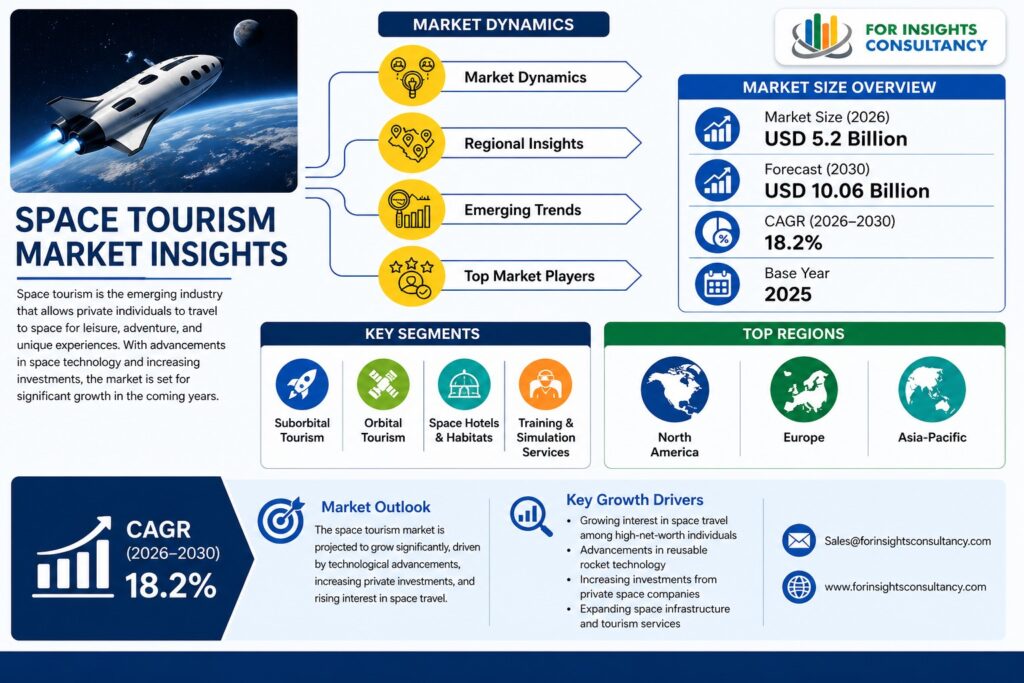
Let’s talk money. This is, understandably, the biggest barrier to entry for most people. As of late 2023, a ticket with Virgin Galactic costs around $450,000. This price includes some pre-flight training, but doesn’t cover everything. Blue Origin’s New Shepard flights have been priced similarly, at around $250,000, but availability has been limited. SpaceX’s offerings are on a different scale entirely. A seat on a Crew Dragon flight to the International Space Station can cost upwards of $55 million, as demonstrated by Axiom Space’s private missions.
The ticket price is just the beginning. You’ll also need to factor in the cost of pre-flight training, which can range from a few days to several weeks, depending on the provider. This training typically includes centrifuge sessions to prepare for G-forces, survival training, and familiarization with the spacecraft’s systems. Insurance is another significant expense. Standard travel insurance won’t cover space travel, so you’ll need to purchase a specialized policy, which can easily add tens of thousands of dollars to the overall cost. Consider that Global Rescue offers services tailored for this emerging market.
Additional expenses could include travel to the launch site, accommodation, and any medical checkups required. If you’re opting for an orbital stay, you’ll also need to pay for life support, food, and other consumables. The type of experience also influences the price. A short suborbital hop is significantly cheaper than a week-long stay on the ISS. I’m not sure if we’ll see dramatic price drops by 2026, but increased competition and advancements in technology could potentially lead to more affordable options in the long run. However, space travel will almost certainly remain a luxury for the foreseeable future.
Space Tourism Provider Comparison - 2026 Estimates
| Provider | Ticket Price (USD) | Training Costs (Estimated USD) | Flight Duration (Approximate) | Experience Type |
|---|---|---|---|---|
| Virgin Galactic | Approximately $450,000 | $40,000 - $80,000 | Approximately 90 minutes (including ascent/descent) | Suborbital |
| Blue Origin | Price not publicly disclosed, estimated $250,000 - $500,000 | $20,000 - $50,000 | Approximately 10-15 minutes of weightlessness | Suborbital |
| SpaceX (Inspiration4-style) | Multi-million USD (highly variable, dependent on mission profile) | $50,000 - $200,000+ | Multiple days | Orbital |
| SpaceX (Future Polar Orbit) | Price not publicly disclosed, expected to exceed Inspiration4 costs | $100,000+ | Multiple days | Orbital |
| Space Perspective (SpaceBalloon) | Approximately $125,000 | $10,000 - $20,000 | 6-8 hours | Suborbital (balloon-based) |
Illustrative comparison based on the article research brief. Verify current pricing, limits, and product details in the official docs before relying on it.
Is It Safe? Risks and Mitigation
Safety is, understandably, the paramount concern for anyone considering space travel. While companies like Virgin Galactic, Blue Origin, and SpaceX have made significant strides in improving the reliability of their systems, space travel is inherently risky. There are known risks, such as the intense G-forces experienced during launch and re-entry, and potential risks that are still being studied, such as the long-term effects of radiation exposure. Equipment malfunctions, while rare, are also a possibility.
Virgin Galactic has faced scrutiny over its flight path and safety systems, with investigations following anomalies during test flights. Blue Origin’s New Shepard program has had a relatively clean safety record so far, but it's still a new technology. SpaceX, with its extensive experience in launching rockets and spacecraft, has a more established safety record, but even their missions aren’t without risk. Each company employs redundancy measures – backup systems designed to take over in case of a failure – and has detailed emergency procedures in place. However, no system is foolproof.
Radiation exposure is a significant concern for longer-duration flights, particularly orbital and lunar missions. The Earth’s atmosphere provides substantial protection from harmful radiation, but outside of this protective layer, astronauts are exposed to higher levels of cosmic rays and solar flares. NASA plays a crucial role in overseeing and regulating the space tourism industry, setting safety standards and conducting independent reviews. Global Rescue is proactively preparing for the medical and logistical challenges of space tourism, developing specialized rescue capabilities and training medical personnel to handle emergencies in space or during re-entry. The psychological impact of space travel is also being studied; the isolation, confinement, and sensory deprivation can be challenging for some individuals.
- Redundancy in critical systems
- Comprehensive pre-flight training
- Detailed emergency procedures
- Continuous monitoring of spacecraft health
- Independent safety reviews by regulatory bodies
Who Can Go? Health and Fitness Requirements
Space travel isn’t for everyone. It requires a certain level of physical and mental fitness. This isn’t just about being able to run a marathon; it’s about being able to withstand the unique stresses of spaceflight. Individuals with pre-existing medical conditions, such as heart problems, uncontrolled diabetes, or severe anxiety, may be disqualified. The G-force tolerance testing is a key part of the medical evaluation process, assessing a person’s ability to handle the extreme acceleration forces experienced during launch and re-entry.
Specific conditions that could disqualify a potential space tourist include uncontrolled high blood pressure, a history of seizures, and certain neurological disorders. There are also concerns about the effects of space travel on individuals with weakened immune systems. Age limits are currently not strictly enforced, but older individuals may be subject to more rigorous medical evaluations. Weight restrictions may also apply, as spacecraft have limited payload capacity.
I think it’s important to be realistic about who is actually eligible. While the dream of space travel is open to anyone, the physical and medical requirements significantly narrow the field. The companies involved are likely to err on the side of caution when it comes to passenger health, prioritizing safety above all else. Expect a thorough medical screening process, including blood tests, cardiovascular assessments, and psychological evaluations.
The Experience Itself: What to Expect
So, what’s it actually like to go to space? For suborbital flights with Virgin Galactic or Blue Origin, the experience begins with several days of pre-flight training at the Spaceport America facility in New Mexico or similar location. This training prepares you for the G-forces, the sensations of weightlessness, and the emergency procedures. The flight itself lasts only a few minutes above the Karman line — the internationally recognized boundary of space.
Passengers will experience several minutes of weightlessness, allowing them to float freely inside the spacecraft. The views of Earth are, by all accounts, breathtaking. You’ll see the curvature of the planet, the darkness of space, and the thin blue line of the atmosphere. The emotional impact of the experience is often profound, with many passengers describing it as life-changing. Those who have flown with Virgin Galactic have described a feeling of awe and wonder, while passengers on Blue Origin’s New Shepard have praised the smooth ride and the spectacular views.
SpaceX’s orbital flights offer a much more extended experience. Passengers on Axiom Space’s missions to the ISS spend several days in orbit, conducting research, participating in educational outreach, and simply enjoying the unique perspective of space. The training process for orbital flights is much more intensive, requiring months of preparation. I’ve read accounts from astronauts and space tourists alike, and the common thread is a sense of transformation. It’s an experience that challenges your perspective and leaves a lasting impression.
Beyond Suborbital: Orbital and Lunar Prospects
While suborbital flights are currently the most accessible form of space tourism, the long-term goal is to offer orbital and even lunar experiences. Orbital space tourism involves staying on the International Space Station or a dedicated space station for an extended period. This requires significant technological advancements in life support systems, radiation shielding, and spacecraft design. The cost is also a major hurdle, as orbital flights are significantly more expensive than suborbital hops.
Trips to the Moon are even more ambitious. SpaceX’s Starship is designed to eventually transport passengers to the lunar surface, but this is still several years away. The challenges are immense, including developing reliable landing systems, providing adequate life support for lunar stays, and addressing the risks of radiation exposure. The estimated cost of a lunar trip is astronomical – potentially hundreds of millions of dollars per person.
I'm not sure we’ll see widespread lunar tourism by 2026, but SpaceX is making rapid progress with Starship development. The success of the Artemis program will also play a crucial role in paving the way for commercial lunar missions. The technological hurdles are significant, but the potential rewards – both scientific and economic – are enormous. The next decade will likely see a gradual expansion of space tourism options, with orbital flights becoming more common and lunar missions moving closer to reality.
Insurance and Legal Considerations
Space travel insurance is a relatively new and evolving market. Standard travel insurance policies don’t cover the risks associated with spaceflight, so you’ll need to purchase a specialized policy. These policies typically cover medical expenses, evacuation costs, and potential liability claims. However, coverage can be limited, and premiums are extremely high. As of now, few insurers are offering comprehensive space travel insurance, and the terms and conditions can be complex.
The legal liabilities for space tourism companies are still being defined. If something goes wrong during a flight, who is responsible? Is it the spacecraft manufacturer, the launch provider, or the space tourism operator? These questions are being debated by legal experts and regulators. There’s also the issue of jurisdiction. If an accident occurs in space, which country’s laws apply? These are complex legal issues that need to be addressed before space tourism can become a truly mainstream industry.
What happens if a passenger dies during a spaceflight? The legal framework for handling such a situation is still unclear. Existing space law primarily focuses on the rights and responsibilities of nation-states, not private citizens. The legal landscape is evolving, but it’s important for potential space tourists to understand the risks and protections – or lack thereof – before embarking on a journey to the final frontier. It is a complex area, and seeking expert legal advice is highly recommended.
Would you purchase space travel insurance, even if it significantly increased the cost of your trip?
As space tourism inches closer to reality, understanding the associated risks and potential safeguards is crucial. Cast your vote to share your perspective on the necessity of space travel insurance.
Looking Ahead: The Future of Space Tourism
The future of space tourism is uncertain, but full of potential. Will prices come down? I suspect they will, eventually, as technology improves and competition increases. Increased launch frequency and reusable spacecraft will be key to lowering costs. Will the experience become more accessible? It’s likely that more people will be able to afford suborbital flights in the coming years, but orbital and lunar tourism will remain exclusive for the foreseeable future.
New technologies, such as advanced propulsion systems and improved life support systems, will play a crucial role in expanding the possibilities of space travel. Government regulation will also be essential to ensure safety and protect the interests of space tourists. The role of governments will be to balance innovation with safety, fostering a sustainable and responsible space tourism industry.
Despite the challenges, the dream of space travel remains alive and well. Space tourism has the potential to inspire a new generation of scientists, engineers, and explorers. It’s a bold and ambitious endeavor, and one that could ultimately transform our understanding of our place in the universe. It won't be easy, and it won’t be cheap, but the journey is worth taking.

No comments yet. Be the first to share your thoughts!