

Beyond Blue Origin: The Emerging High-Altitude Market
The dream of space tourism is no longer confined to science fiction, but the current reality is largely limited to those with substantial financial resources. Companies like Blue Origin, Virgin Galactic, and SpaceX offer suborbital and orbital flights, but these experiences come with price tags reaching into the hundreds of thousands – even millions – of dollars. A seat on a Virgin Galactic flight, for example, currently costs around $450,000. This puts space travel out of reach for the vast majority of adventure seekers.
However, a new market is taking shape: high-altitude travel. This isn't about reaching orbit, but about experiencing the edge of space – the extreme altitudes where the Earth’s curvature is visible, the sky turns dark, and a sense of weightlessness can be achieved. These experiences offer a taste of the space environment at a fraction of the cost of traditional space tourism. It's about accessibility, and a growing desire to explore beyond the everyday.
Interest in this area isn't new. A 2020 congressional report, The Future of Space Tourism (R46500), acknowledged the increasing activity of private companies in this sector and the need for a regulatory framework. NASA also held workshops, documented in proceedings from ntrs.nasa.gov, specifically addressing general public space travel and tourism, indicating a long-held awareness of the potential for this market.
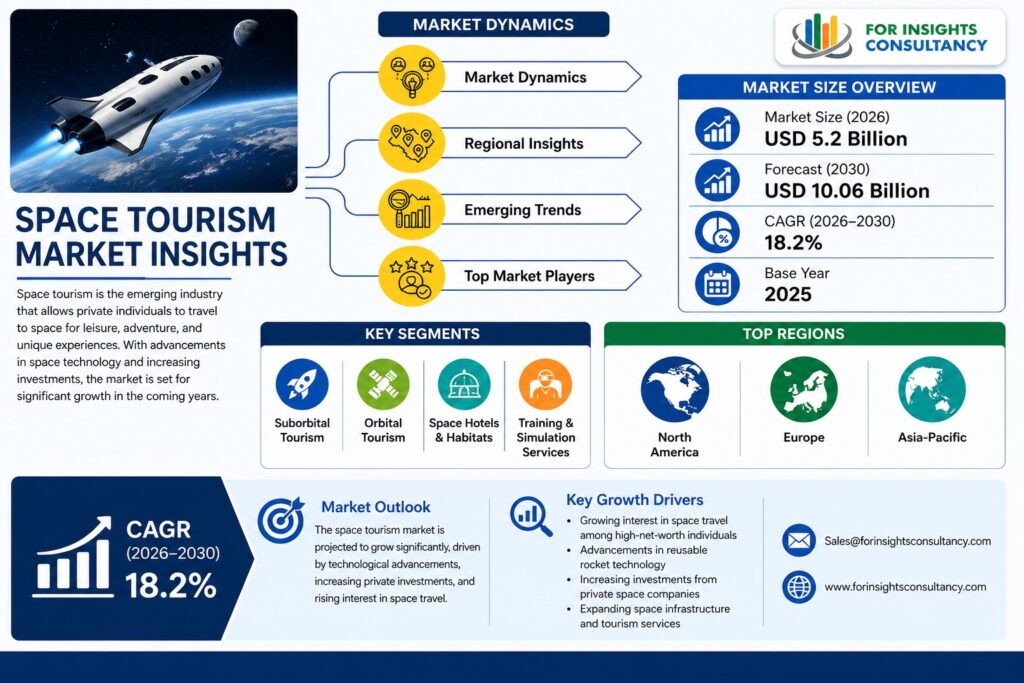
Stratospheric Balloon Rides: A Gentle Ascent
For the most accessible entry point into high-altitude experiences, consider stratospheric ballooning. Unlike the rapid acceleration of a rocket launch, balloon rides offer a slow, gentle ascent, typically taking several hours to reach altitudes around 100,000 feet – well above the altitude where commercial airlines fly. At this height, you can clearly see the curvature of the Earth and the blackness of space, providing an awe-inspiring view.
Several companies are pioneering this technology. Space Perspective, for example, plans to use a pressurized capsule lifted by a massive hydrogen balloon. They aim to provide a six-hour journey, with two hours spent at peak altitude. Zero 2 Infinity, another key player, is also developing balloon-based systems. These capsules are designed for comfort and safety, offering panoramic views through large windows.
A significant benefit of balloon travel is the lack of intense G-forces. Passengers won’t experience the same physical strain as those undergoing rocket acceleration or fighter jet maneuvers. Safety is a primary concern, and these companies are designing systems with multiple redundancies, including backup parachutes and emergency descent procedures. NASA workshop proceedings on public space travel discuss the importance of ensuring public safety in these novel environments.
These rides aren’t cheap – Space Perspective tickets currently start around $495,000 – but they represent a substantial cost reduction compared to orbital spaceflight. The experience is also considerably less physically demanding, making it accessible to a wider range of people.
- Space Perspective: Pressurized capsule, six-hour journey, $495,000+
- Zero 2 Infinity: Developing balloon-based systems for high-altitude tourism.
MiG-29 & Other High-Performance Flights
For those seeking a more adrenaline-fueled experience, flying in a modified MiG-29 fighter jet offers a unique opportunity to reach altitudes exceeding 60,000 feet. These flights, often operated from Russia, allow passengers to briefly experience weightlessness as the aircraft climbs and performs aerobatic maneuvers. It's a far cry from the sustained weightlessness of orbital spaceflight, but provides a taste.
Companies like MiGFlug specialize in arranging these experiences. They provide pre-flight medical evaluations and G-force training to prepare passengers for the physical demands. The training is essential, as the forces involved can be significant, and individuals with certain medical conditions may not be eligible to participate.
While considerably less expensive than orbital spaceflight – typically ranging from $20,000 to $50,000 depending on the duration and complexity of the flight – MiG-29 flights remain a significant investment. The experience is intense and physically demanding, making it suitable for a specific type of adventurer.
High-Altitude Gliding: Soaring on the Edge
Emerging as a potentially disruptive force in the high-altitude travel market is high-altitude gliding. These gliders, often powered by electric motors, are designed to reach altitudes above 90,000 feet by riding thermal currents and utilizing innovative aerodynamic designs. The goal is to provide a silent, sustainable, and beautiful experience.
Benefits include silent flight for an immersive experience, extended views of the Earth, and a reduced environmental impact compared to traditional aircraft. Several companies are actively developing this technology, though commercial availability is still limited. The challenge lies in certification and navigating the regulatory landscape for these novel aircraft.
The current state of commercial availability for these gliders is uncertain. While prototypes exist and testing is underway, widespread access for tourists is likely still several years away. However, the potential for a unique and environmentally friendly high-altitude experience is significant.
Spaceports & Training Locations
Several locations are becoming hubs for high-altitude travel. Spaceport America in New Mexico, originally designed for commercial space launches, now hosts suborbital flights and is well-positioned to accommodate stratospheric balloon launches. Russia remains a key location for MiG-29 flights, with training centers near Moscow and other major cities.
Potential balloon launch sites are being explored in locations like Florida, Arizona, and Australia, taking advantage of favorable weather conditions and logistical infrastructure. The availability of pre-flight training and comprehensive medical evaluations varies by operator and experience type.
Travel logistics to these locations can be complex, requiring careful planning and coordination. Consider visa requirements, transportation options, and accommodation availability. Some operators offer package deals that include travel arrangements, while others leave it to the individual traveler.
High-Altitude Travel Experience Comparison - 2026
| Experience Type | Cost | Physical Demand | View Quality | Accessibility |
|---|---|---|---|---|
| Hot Air Balloon | Lowest | Low | Good, dependent on weather | Widely Available |
| MiG-29 Edge of Space Flight | Very High | High - G-force training required | Excellent - Curvature of Earth visible | Limited - Specific locations & providers |
| Gliding/Sailplanes | Medium | Medium - Some physical fitness needed | Good - Expansive views, daytime only | Moderate - Requires pilot's license or tandem flight |
| High-Altitude Balloon | Medium | Low - Primarily passive experience | Good - Panoramic views, but limited control | Growing - Dependent on launch regulations & providers |
| Suborbital Flight (e.g., Space Perspective) | Extremely High | Medium - Some pre-flight preparation | Exceptional - Black space backdrop, Earth overview | Very Limited - Limited providers, high demand |
| Stratospheric Balloon | High | Low to Medium - Pressurized cabin | Excellent - High altitude, clear views | Limited - Emerging market, few operators |
Qualitative comparison based on the article research brief. Confirm current product details in the official docs before making implementation choices.
Safety & Regulation: What You Need to Know
Safety is paramount when considering any high-altitude travel experience. Each activity carries inherent risks, and it’s crucial to understand them before participating. Stratospheric balloon rides involve potential risks associated with balloon malfunctions and emergency descent procedures. MiG-29 flights require physical fitness and the ability to withstand G-forces. High-altitude gliding presents challenges related to aircraft performance and weather conditions.
The regulatory landscape is evolving. The Alyssa K. King Commercial Space Launch Amendments Act of 2004 established a framework for regulating commercial space launches, but its application to high-altitude tourism is still being defined. The FAA oversees safety standards and issues licenses for commercial space operations.
Choose a reputable operator with a strong safety record. Look for companies that prioritize safety training, maintain their equipment rigorously, and adhere to industry best practices. The congressional report highlighted the deliberate light federal oversight, meaning responsible operators are even more critical.
The Future of Affordable High-Altitude Travel
The high-altitude travel market is poised for growth, but the pace of innovation and cost reduction remains uncertain. Advancements in balloon technology, particularly the development of more efficient and sustainable materials, could drive down the cost of stratospheric balloon rides. Similarly, improvements in electric propulsion systems could make high-altitude gliding more accessible.
Private investment will accelerate development. As more companies enter the market and competition increases, we can expect greater innovation and potentially lower prices. New types of high-altitude vehicles, such as winged capsules or hybrid airships, could also emerge.
However, regulatory hurdles and safety concerns could slow progress. Establishing clear and consistent safety standards is essential for building public confidence and growing the industry. The demand for these experiences is clearly present, but the industry needs to address these challenges to reach its full potential.
undefineds an exciting space to watch, and one that promises to bring the wonders of the near-space environment within reach of a growing number of adventurers.

No comments yet. Be the first to share your thoughts!