

Global trusted traveler programs
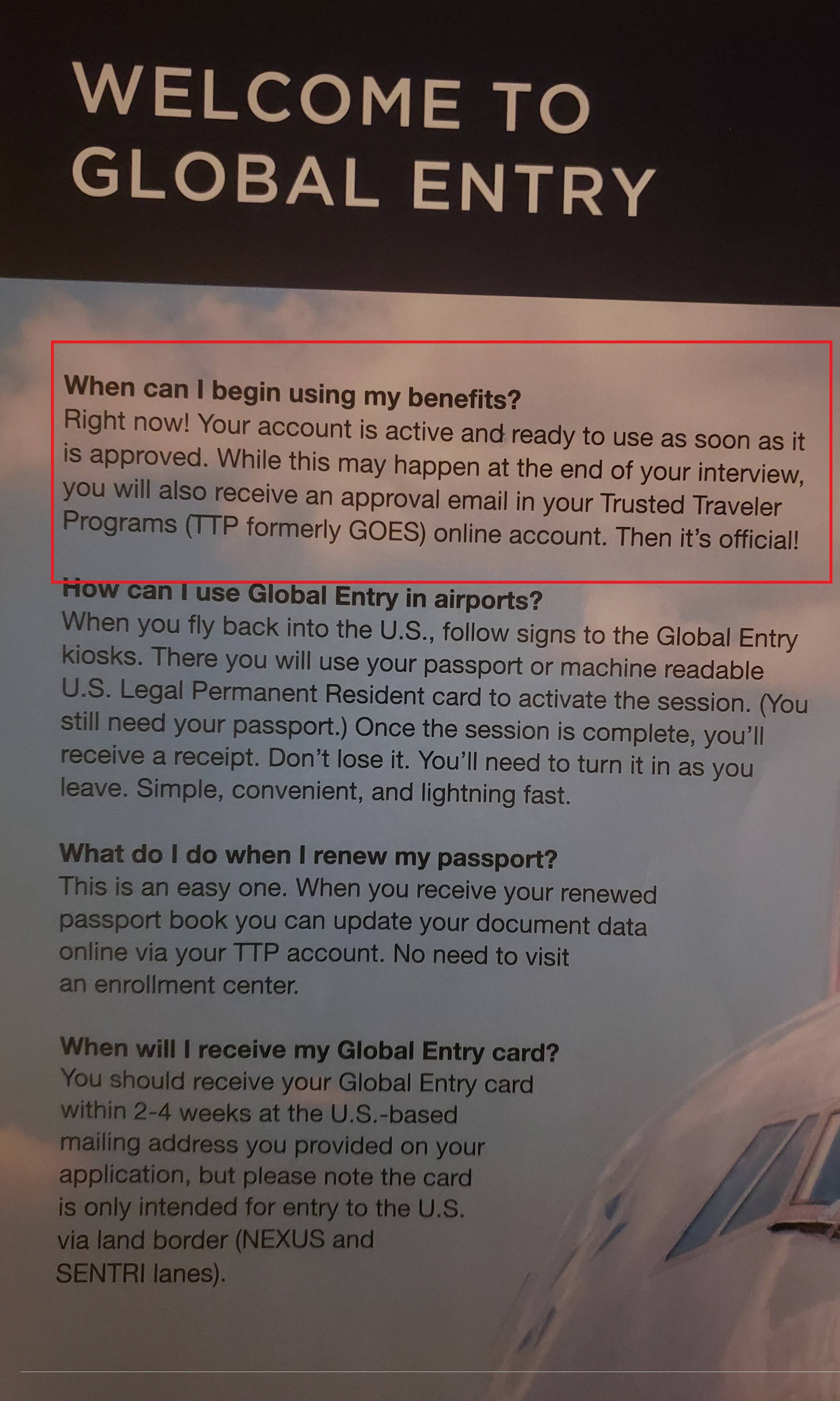
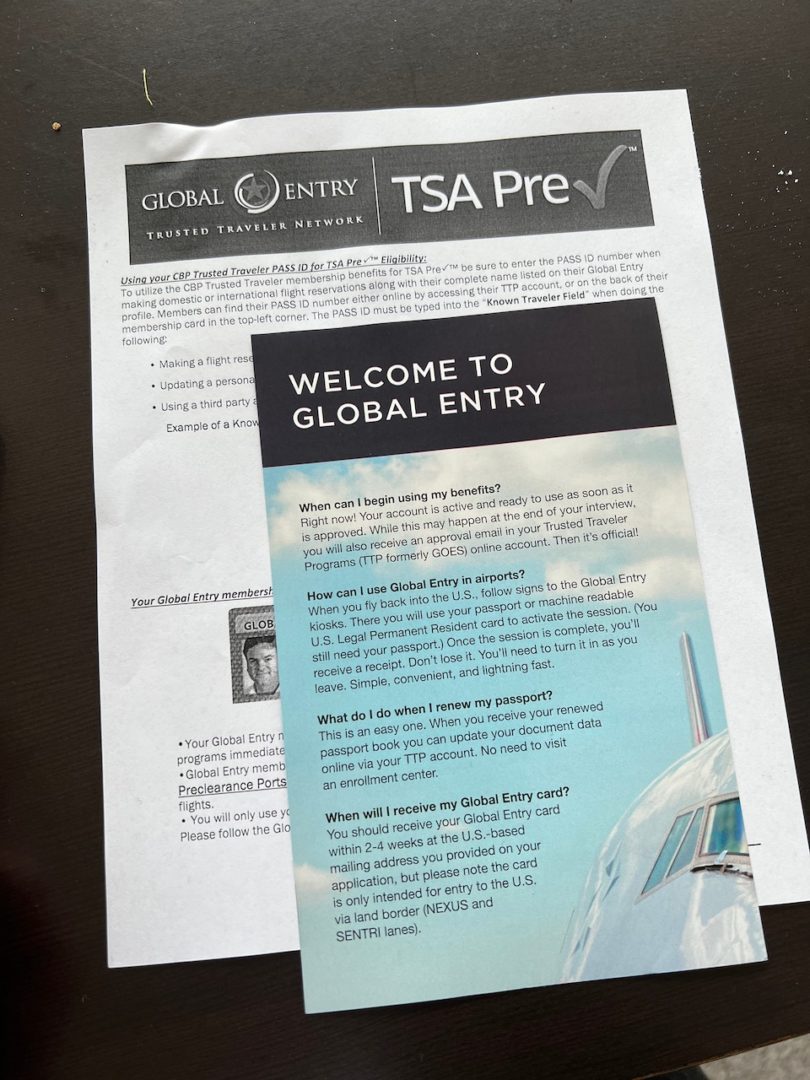
Global Entry is a U.S. Customs and Border Protection program that provides expedited clearance for pre-approved, low-risk travelers upon arrival in the United States. It is one of several Trusted Traveler Programs, which also include TSA PreCheck, SENTRI, NEXUS, and FAST. These risk-based initiatives are designed to facilitate the travel of vetted individuals while maintaining security standards.
The selection process for these programs is rigorous. All applicants undergo background checks and interviews to ensure they meet the qualifications for the specific program they are applying to. While Global Entry focuses on international entry, TSA PreCheck is limited to domestic security lanes. Many travelers choose Global Entry because it includes TSA PreCheck benefits, making it a more comprehensive option for frequent flyers.
Understanding the differences between these programs is essential for choosing the right one. Global Entry is ideal for those who frequently cross international borders, while TSA PreCheck suffices for domestic travel. The application process involves an online submission, fee payment, and an in-person interview. Approval can take several weeks to months, so planning ahead is crucial.
Verify you meet the basic requirements, such as being a U.S. citizen, lawful permanent resident, or citizen of a trusted traveler partner country. Some international citizens may also qualify depending on their home country's agreement with the U.S.
Complete the online application on the Trusted Traveler Programs website. You will need to provide personal details, travel history, and employment information. Pay the non-refundable application fee, which is $100 for Global Entry.
Once your application is conditionally approved, schedule an interview at a Global Entry enrollment center. Bring required documents, including your passport and proof of residency. The interview is brief and focuses on verifying your application details.
10 essential safe travel tips for 2026: How to navigate Global Entry renewals and smart border crossings
Global Entry renewals and border crossings require more than just a valid passport in 2026. These 10 tips cover concrete checks, application tradeoffs, and smart navigation strategies to keep your travel seamless.
-

Verify Global Entry renewal eligibility early
Start the clock six months before your membership expires. Log in to the Trusted Traveler Programs portal to confirm your status and ensure no unreported legal issues have appeared. This proactive check prevents last-minute surprises that could delay your renewal. -
Submit renewal application before expiration
File your renewal application while your current card is still valid. This strategy maintains continuous coverage, allowing you to use expedited screening during the processing window. Waiting until after expiration creates a gap in your trusted traveler status, forcing you through standard security lines until approval arrives. -

Pay the non-refundable renewal fee
Submit the $100 renewal fee immediately upon application submission. This payment is strictly non-refundable, regardless of whether Customs and Border Protection ultimately approves your request. Ensure your credit card details are current and secure to avoid processing delays that might push your renewal past the expiration date. -

Upload updated passport and visa documents
Attach clear scans of your current passport and any relevant visas to your application. Border agents verify these documents to confirm your identity and travel eligibility. Outdated or blurry images often trigger manual reviews, significantly extending processing times. Keep digital copies handy to resolve any discrepancies quickly if requested. -

Check conditional approval status online
Monitor your application dashboard for conditional approval notifications. This status means you have passed the initial review but must schedule an in-person interview to finalize your membership. Do not assume automatic approval; prompt scheduling ensures you regain expedited screening benefits as soon as possible after your previous card expires. -

Schedule in-person interview appointment
Renewal eligibility often triggers an automatic invitation, but you must actively book your slot through the Trusted Traveler Programs portal. Wait times at enrollment centers can stretch for months, so secure your appointment immediately upon conditional approval. If the online system shows no availability, call the support line or check for cancellations daily. This proactive step prevents your authorization from lapsing while you wait for a physical verification. -

Prepare proof of address for interview
Agents require current residential verification to confirm your identity and residency status. Bring a utility bill, lease agreement, or bank statement dated within the last 90 days. The document must display your full name and current address exactly as it appears on your application. Digital copies on your phone are rarely accepted; printed originals are mandatory. This simple document prevents delays or potential denial due to unverifiable contact information. -
Bring current passport to interview
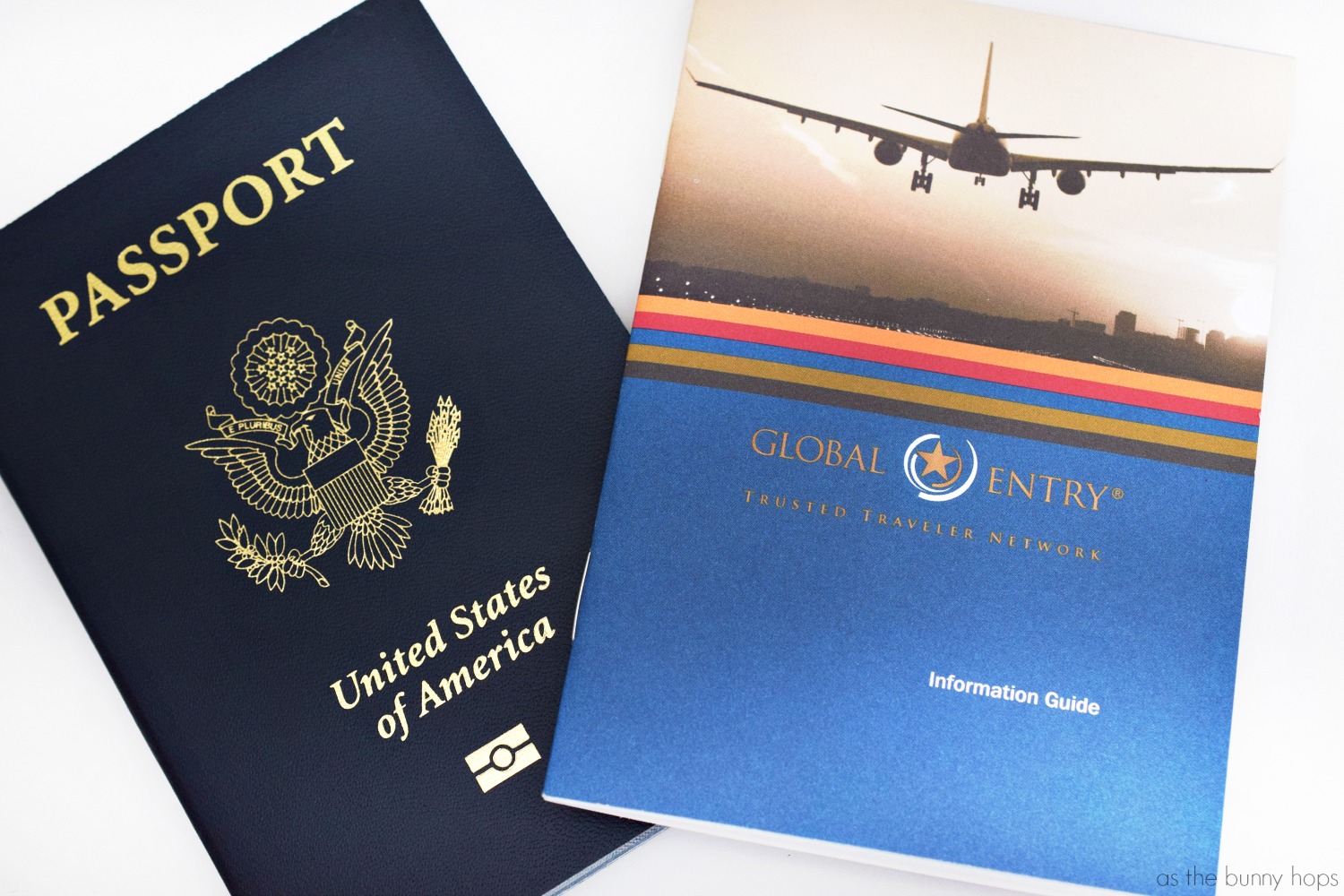
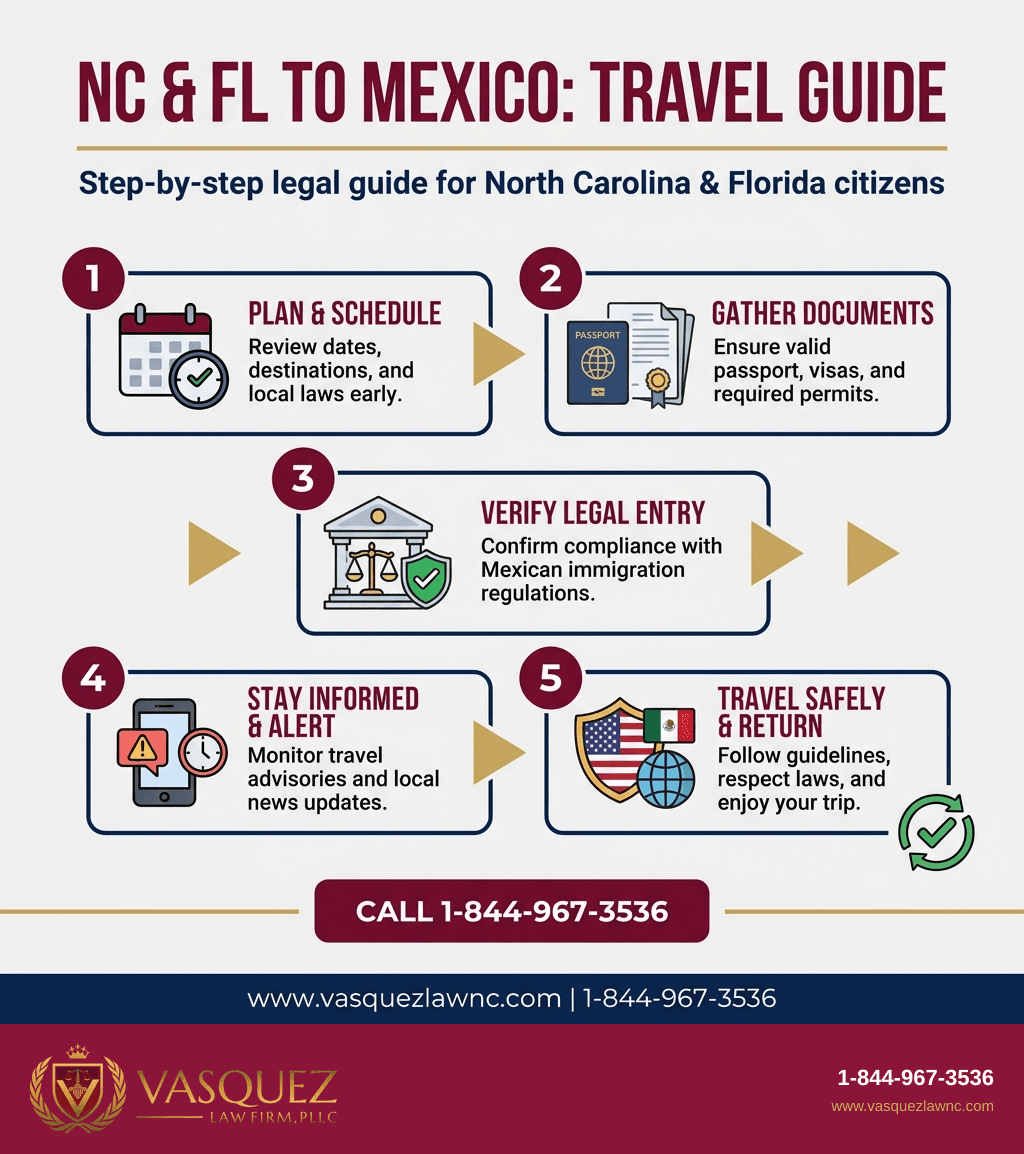
Your valid passport is the primary identification document required for the interview. Even if you are renewing, you must present the physical booklet that is currently active. If your passport is expiring soon, bring both the old and new ones if available, but the active one is critical. Lost passports require additional documentation and may delay your approval. Ensure the passport is not damaged, as compromised books can be rejected at the border. -
Review trusted traveler program benefits
Before your interview, revisit the specific privileges attached to your Global Entry status. Understand the exact kiosks available at your home airport and how to use them for expedited customs clearance. Familiarize yourself with the rules regarding accompanying family members and the integration with TSA PreCheck. Knowing these details helps you answer agent questions confidently and ensures you maximize the time-saving benefits immediately upon approval. -

Update travel itinerary with new status
Once approved, immediately update your airline reservations with your new Known Traveler Number. This ensures TSA PreCheck benefits appear on your boarding pass for domestic legs. Sync your profile with major travel apps and hotel loyalty programs to streamline check-ins. Neglecting this step means missing out on expedited screening even with valid membership. Verify the number appears on your first post-approval flight to avoid gate complications.
How to choose the right fit
Selecting between Global Entry and TSA PreCheck comes down to your travel habits. Global Entry is the more comprehensive option, covering both international arrival processing and domestic security lanes. TSA PreCheck only handles domestic security. If you fly internationally even once a year, Global Entry is the better value because it includes TSA PreCheck eligibility.
Consider the application effort. Both programs require an in-person interview, which is the most time-consuming part of the process. Global Entry interviews can be harder to schedule at some ports of entry, but they are often available at airports year-round. TSA PreCheck interviews are generally easier to book at smaller airports. However, once approved, Global Entry’s automated kiosks save significantly more time at international borders than the PreCheck lane saves domestically.
Before applying, verify if your citizenship allows you to apply for Global Entry. U.S. citizens, U.S. lawful permanent residents, and citizens of certain partner countries (like Canada, Mexico, Germany, and the Netherlands) are eligible. If you are not eligible for Global Entry, check if you qualify for TSA PreCheck, which has broader citizenship requirements for domestic travel.
Global Entry costs $100 for a five-year membership. TSA PreCheck costs $78.50 for the same period. While Global Entry is more expensive upfront, it covers the cost of TSA PreCheck. If you only fly domestically, PreCheck is cheaper. If you fly internationally, the extra $21.50 for Global Entry provides border clearance benefits that far outweigh the price difference.
After submitting your application online, schedule your interview through the Trusted Traveler Programs website. Bring your current passport and one other document, such as a driver’s license or birth certificate. Interviews are typically 10 minutes long. If you are applying for Global Entry, consider scheduling at an airport with pre-enrollment kiosks, which can sometimes allow you to skip the interview entirely if you are already enrolled in certain programs.
No comments yet. Be the first to share your thoughts!