

The Rise of Solo Female Travel: Why Now & What’s Changed
There’s a quiet revolution happening in travel. More and more women are choosing to explore the world on their own terms, and the numbers are steadily climbing. According to a recent report by Solo Traveler, 73% of women are now considering solo travel, a significant jump from previous years. This isn't a new phenomenon – women have always traveled solo – but the sheer scale is different. It’s becoming less of a niche pursuit and more of a mainstream choice.
Several factors are driving this trend. Increased financial independence allows more women to afford their own adventures. A growing desire for self-discovery and personal growth is also playing a huge role. Many women I've spoken with describe solo travel as a way to reconnect with themselves and challenge their limits. Changing societal norms are making it more acceptable – and even encouraged – for women to prioritize their own experiences.
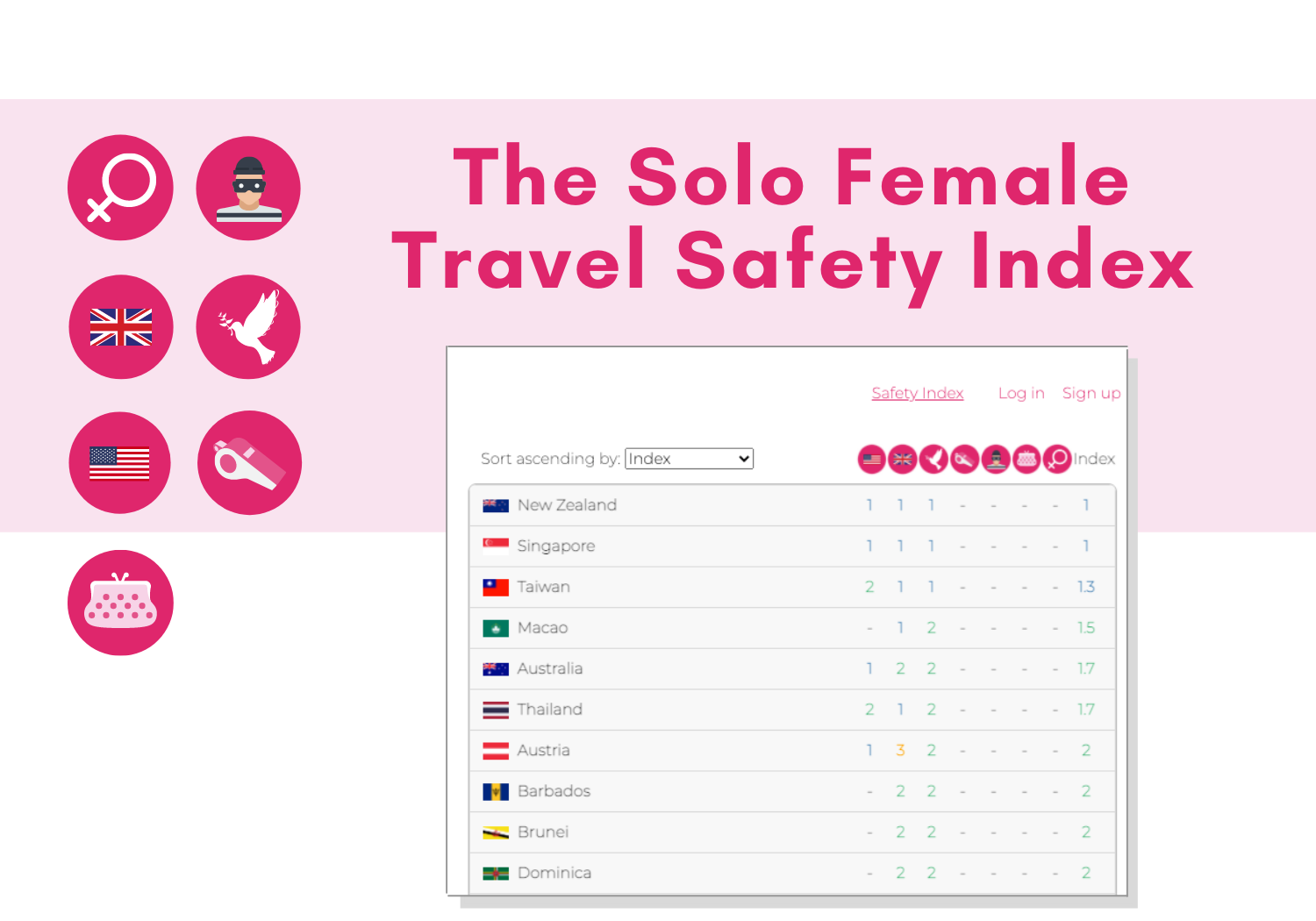
Historically, safety concerns have been a major barrier for women considering solo travel. But things are improving. Better resources and a growing community of travelers help lower those risks. We’re seeing more travel companies catering specifically to solo female travelers, offering group tours and tailored itineraries. It's about empowerment, really. It’s the difference between traveling alone – which can feel isolating – and traveling solo – which is about intentional independence.
While safety remains a consideration, the benefits – increased confidence, resilience, and a deeper understanding of the world – are proving to be incredibly compelling. Women are realizing they don’t need to wait for a partner, friend, or family member to fulfill their travel dreams. They can, and increasingly are, creating those experiences for themselves.
Pre-Trip Preparation: Beyond Booking Flights and Hotels
Booking flights and hotels is just the first step. True preparation for a solo female trip involves a lot of behind-the-scenes work. It’s about minimizing risk and maximizing your peace of mind. The most important thing you can do is share your detailed itinerary with at least two trusted contacts back home. Include flight numbers, hotel addresses, planned activities, and transportation details.
Establish a check-in schedule with those contacts. Agree on a frequency – daily, every other day – and stick to it. If you miss a check-in, they should know to start asking questions. It’s also wise to make multiple copies of important documents: your passport, visa (if required), driver’s license, travel insurance information, and any necessary medical prescriptions. Store these copies separately from the originals – both physically and digitally.
I always research local laws and customs before I land. What’s considered polite or acceptable behavior varies greatly from country to country. Understanding these nuances can help you avoid unintentional offense and stay safe. The U.S. Department of State’s website (travel.state.gov) is an excellent resource for country-specific information, including travel advisories and local laws. Don’t forget to register with the Smart Traveler Enrollment Program (STEP) on that same site; it allows the embassy to contact you in case of an emergency.
Digital security is paramount. Use strong, unique passwords for all your online accounts. Enable two-factor authentication whenever possible. Consider investing in a Virtual Private Network (VPN) to encrypt your internet connection, especially when using public Wi-Fi. Download offline maps and translation apps so you have access to vital information even without data service. I personally use Google Translate's offline download feature – it’s a lifesaver.
- Share your detailed itinerary with trusted contacts.
- Establish a regular check-in schedule.
- Make copies of all important documents.
- Research local laws and customs.
- Register with the STEP program (travel.state.gov).
- Use strong passwords and enable two-factor authentication.
- Consider a VPN for secure internet access.
- Download offline maps and translation apps.
Navigating Transportation: From Airports to Local Buses
Moving around a new city is often the most stressful part of a trip. At the airport, be aware of your surroundings and avoid accepting help from unsolicited individuals. Stick to official taxi stands or pre-booked airport transfers. Avoid unmarked taxis or drivers who approach you offering rides.
When using ride-sharing services like Uber or Lyft, always verify the driver’s identity and license plate before getting in. Share your ride details with a trusted contact. Public transportation can be a convenient and affordable option, but be mindful of peak hours when pickpocketing is more common. Keep your belongings close and be aware of your surroundings. Research the public transport system before you arrive – knowing which lines to take and where to transfer can make you appear more confident and less vulnerable.
For long-distance travel, trains are generally considered safer than buses, especially at night. If you must take a bus, choose reputable companies with good safety records. Read reviews and ask locals for recommendations. Looking confident, even if you’re feeling lost, can deter potential trouble. Maintain eye contact, walk with purpose, and avoid appearing distracted.
Don't be afraid to ask for help, but be selective about who you ask. Approach uniformed officials, shopkeepers, or families with children. Trust your instincts – if something feels off, it probably is. It’s better to be cautious than to risk your safety.
Accommodation Choices: Prioritizing Safety and Security
Your choice of accommodation can significantly impact your safety. Hotels generally offer the highest level of security, with features like 24-hour reception, security cameras, and on-site staff. Research the hotel’s reputation and read reviews carefully. Hostels can be a more budget-friendly option, and many offer female-only dorms, which can provide a sense of security and camaraderie.
Airbnb can be a great way to experience local culture, but it requires extra caution. Thoroughly vet the host and read reviews carefully, paying attention to any mentions of safety or security concerns. Check if the host is verified by Airbnb. Consider choosing accommodations with private entrances or self-check-in options. Guesthouses, often family-run, can offer a more personal experience, but it’s important to research the area and read reviews.
Always let someone at home know where you’re staying, including the address and contact information. Don’t announce your location publicly on social media. When you check into your accommodation, familiarize yourself with the emergency exits and security procedures. Keep your valuables locked up in a safe or secure location. A simple doorstop can add an extra layer of security to your room.
I’ve found that reading reviews with a critical eye is essential. Look beyond the positive comments and search for any mentions of safety concerns or uncomfortable experiences. A pattern of negative feedback about the neighborhood or the host’s behavior should be a red flag.
- Hotels: Good security features, 24-hour reception.
- Hostels: Female-only dorms, social atmosphere.
- Airbnb: Read reviews carefully, check host verification.
- Guesthouses: Research the area, read reviews.
Reputable Hostel Booking Sites
- Hostelworld - The largest hostel booking platform globally, Hostelworld features over 36,000 properties in 180 countries. They offer verified reviews, photos, and detailed property descriptions. They also have a 24/7 customer support team and a secure payment system. Hostelworld emphasizes displaying reviews from female travelers to provide insights relevant to solo female travelers. Hostelworld.com
- Booking.com - While known for hotels, Booking.com also lists a substantial number of hostels. They have a robust verification system for properties and guest reviews, and offer a secure booking process. Booking.com’s customer service is available 24/7. Booking.com
- Hostels.com - A dedicated hostel booking site, Hostels.com focuses on budget-friendly accommodation. They verify hostel details and provide guest reviews. They also offer a best price guarantee. Hostels.com
- Hostelbookers - Part of the Booking.com group, Hostelbookers specializes in hostels and budget accommodation. It offers a wide selection, verified reviews, and secure online booking. Hostelbookers.com
- Agoda - Popular in Asia, Agoda also lists hostels alongside hotels and guesthouses. They offer a secure booking platform, verified reviews, and often competitive pricing. Agoda.com
- Flashpackers - This platform specifically caters to solo and independent travelers, including a strong focus on hostels. Flashpackers emphasizes social hostels with organized activities and verified safety features. Flashpackers.com
- Female Only Hostels (via Hostelworld/Booking.com) - Utilize the filtering options on larger platforms like Hostelworld and Booking.com to specifically search for hostels offering female-only dorms for added peace of mind. These are often clearly marked and provide a more secure environment. Hostelworld.com / Booking.com
Street Smarts: Situational Awareness and Avoiding Trouble
This is where your personal safety skills come into play. You need to pay attention to what's happening around you. Avoid distractions like your phone, especially when walking in unfamiliar areas. Pay attention to the people around you and trust your instincts. If a situation feels uncomfortable, remove yourself from it immediately. Walking alone at night should be avoided whenever possible. If you must walk at night, stick to well-lit, populated routes.
Recognizing and avoiding scams is essential. Common scams include offers of help with your luggage, fake police officers asking for identification, and rigged games or contests. Be wary of anyone who approaches you offering unsolicited assistance. Dealing with unwanted attention requires assertiveness. Make direct eye contact, say “no” firmly, and walk away. Don’t engage in conversation or try to be polite – your safety is more important.
Blending in, as much as possible, can reduce your visibility as a tourist. Dress modestly, avoid flashy jewelry, and try to mimic the behavior of locals. Learning a few basic phrases in the local language can also be helpful. I’ve found that even a simple “hello” or “thank you” can go a long way in building rapport and showing respect.
It’s easy to get caught up in the excitement of travel, but it’s important to remain vigilant. Don’t be afraid to ask for help if you’re lost or confused, but choose your sources carefully. Trust your gut – if something doesn’t feel right, it probably isn’t. While I'm not advocating for carrying self-defense weapons, researching self-defense techniques before your trip can empower you and increase your confidence.
- Be aware of your surroundings.
- Trust your instincts.
- Avoid walking alone at night.
- Recognize and avoid scams.
- Be assertive when dealing with unwanted attention.
- Blend in as much as possible.
Solo Female Travel Safety: Avoid Scams & Stay Aware Anywhere!
Global Trusted Traveler
Watch on YouTube →Digital Safety: Protecting Your Information on the Road
Our digital lives are increasingly intertwined with our physical safety. Protecting your information on the road is just as important as protecting your belongings. Use strong, unique passwords for all your online accounts – and don’t reuse them. Enable two-factor authentication whenever possible for an extra layer of security.
Be cautious about using public Wi-Fi networks. These networks are often unsecured and can be easily hacked. If you must use public Wi-Fi, consider using a VPN to encrypt your internet connection. Protect your phone from theft or hacking by enabling a passcode or biometric authentication. Back up your data regularly to a secure cloud storage service.
Be mindful of what you share on social media. Avoid broadcasting your location or posting details about your travel plans. Even seemingly harmless information can be used to target you. I’ve seen cases where thieves have used social media posts to identify homes that are unoccupied. It's not worth the risk.
Regularly review the privacy settings on your social media accounts and limit the amount of personal information you share publicly. Consider using a temporary email address for travel-related registrations and communications. Stay informed about the latest cybersecurity threats and take steps to protect yourself.
Dealing with Harassment and Assault: Resources and Support
This is a difficult topic, but an important one. Harassment and assault can happen anywhere, and it’s crucial to know how to respond. If you experience verbal harassment, try to ignore the perpetrator and walk away. If you feel threatened, seek help from a trusted source, such as a shopkeeper or a police officer. If you experience physical assault, your immediate priority is your safety.
Report the incident to the local police as soon as possible. Gather as much evidence as you can, including the date, time, location, and a description of the perpetrator. Contact your embassy or consulate for assistance. They can provide guidance and support, and may be able to help you navigate the legal system. Remember, it’s never the victim’s fault.
There are numerous organizations that offer support to travelers who have experienced harassment or assault. The U.S. Department of State provides resources and information on its website (travel.state.gov). RAINN (Rape, Abuse & Incest National Network) offers a 24/7 hotline and online resources (https://www.rainn.org). JourneyWoman (https://journeywoman.com/) is a community focused on supporting women travelers.
Documenting any incidents is crucial. Take photos of any injuries, save any relevant emails or messages, and write down a detailed account of what happened as soon as possible. Having a record of the incident can be helpful if you decide to pursue legal action or seek compensation.
Essential Resources: Apps, Websites, and Contacts
Being prepared means knowing where to turn for help. Several resources are specifically designed to support solo female travelers. The U.S. Department of State’s website (travel.state.gov) provides travel advisories, embassy contact information, and safety tips. Travel insurance is a must-have – consider providers like World Nomads or Allianz Travel Insurance.
Safety apps like Noonlight and bSafe can provide emergency assistance and location sharing. Noonlight allows you to discreetly alert emergency services with a single tap. bSafe allows you to share your location with trusted contacts and trigger an alarm if you feel unsafe. JourneyWoman (https://journeywoman.com/) is a fantastic online community for solo female travelers, offering advice, support, and inspiration.
Here are a few local emergency numbers for key countries: United States: 911; United Kingdom: 999; France: 112; Spain: 112; Italy: 112; Australia: 000. It’s a good idea to save these numbers in your phone before you travel. Knowledge is power, and being prepared can make all the difference.
Don’t underestimate the power of online communities. Facebook groups and online forums dedicated to solo female travel can provide valuable insights, recommendations, and support. Connecting with other travelers can help you feel more confident and prepared for your adventure.
- Travel Advisories: travel.state.gov
- Emergency Contact: 911 (US), 999 (UK), 112 (Europe)
- Travel Insurance: World Nomads, Allianz Travel Insurance
- Safety Apps: Noonlight, bSafe
- Online Community: JourneyWoman (https://journeywoman.com/)



No comments yet. Be the first to share your thoughts!