
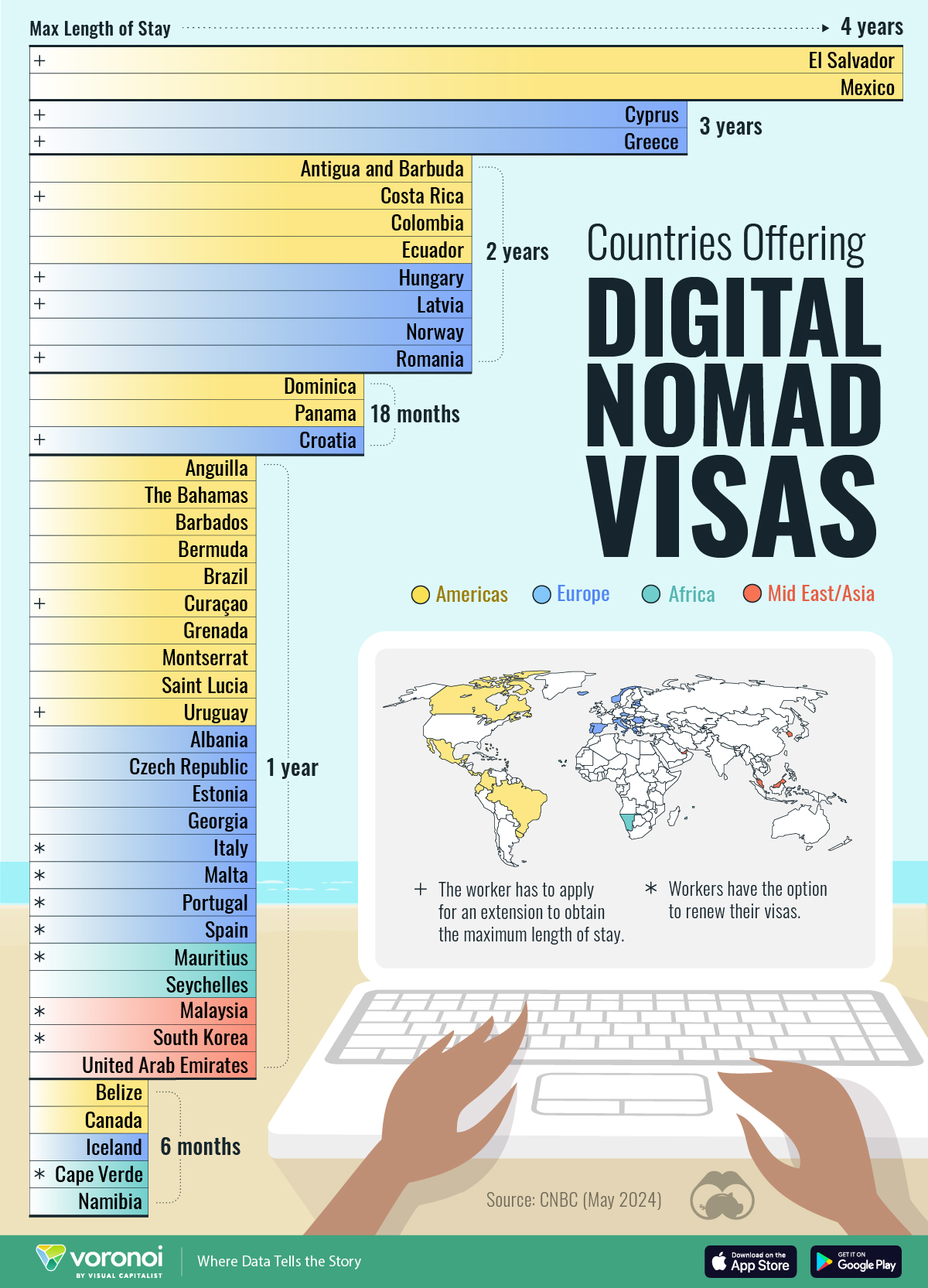

Digital Nomad Visa Guide 2024: Complete Country-by-Country Requirements for Remote Workers
Part 1: Understanding the Digital Nomad Visa Landscape
The digital nomad movement has reached unprecedented heights in 2024, with remote work travel becoming a mainstream lifestyle choice rather than a niche pursuit. As traditional work boundaries continue to dissolve, governments worldwide have recognized the economic potential of attracting location-independent professionals to their shores.
This comprehensive global travel guide serves as your essential travel information resource, providing detailed insights into the rapidly evolving world of digital nomad visas. Whether you're a seasoned remote worker or considering your first nomadic adventure, understanding the current landscape is crucial for making informed decisions about your international work arrangements.
The Current State of Digital Nomad Visas
As of 2024, the digital nomad visa ecosystem has experienced explosive growth. With over 50 countries now offering specialized programs, remote workers have more options than ever before. This expansion reflects not just the growing nomad population—which has reached approximately 50 million globally—but also governments' recognition of the economic benefits these professionals bring.
The surge in interest is undeniable. Global searches for digital nomad visa 2024 information increased by an astounding 1,135% throughout the year, indicating that millions of professionals are actively exploring remote work travel opportunities. This trend represents a fundamental shift in how we approach work-life integration and international mobility.
Top 15 Digital Nomad Visa Programs 2024: Requirements and Benefits
| Country | Visa Duration | Minimum Income Requirement | Processing Time | Key Benefits |
|---|---|---|---|---|
| Portugal | 1-2 years | $760/month | 2-3 months | EU access, affordable living, strong infrastructure |
| Estonia | 1 year | $3,500/month | 15-20 days | Digital-first government, EU access, tech hub |
| Barbados | 1 year | $50,000/year | 5-7 days | No income tax, Caribbean lifestyle, fast processing |
| Dubai, UAE | 1 year | $5,000/month | 2-4 weeks | Tax-free income, modern infrastructure, global connectivity |
| Mexico | 4 years | $2,595/month | 3-4 weeks | Proximity to US, low cost of living, rich culture |
| Croatia | 1 year | $2,300/month | 15-30 days | EU access, Mediterranean climate, digital infrastructure |
| Costa Rica | 2 years | $3,000/month | 2-3 months | Stable democracy, biodiversity, no army policy |
| Georgia | 1 year | $2,000/month | 10-14 days | Low taxes, affordable living, visa-free EU travel |
| Malta | 1 year | $2,700/month | 4-6 weeks | EU membership, English-speaking, Mediterranean location |
| Antigua and Barbuda | 2 years | $50,000/year | 7-10 days | Dual citizenship path, tax benefits, Caribbean base |
| Cyprus | 1 year | $3,500/month | 2-3 months | EU access, favorable tax regime, strategic location |
| Bermuda | 1 year | $263,000/year | 2-3 weeks | No income tax, proximity to US, financial hub |
| Iceland | 6 months | $7,000/month | 4-8 weeks | High quality of life, renewable energy, innovation hub |
| Norway | 2 years | $35,719/year | 1-3 months | High living standards, strong economy, nature access |
| Spain | 1 year | $2,334/month | 1-3 months | EU access, diverse regions, excellent healthcare |
Key Benefits of Digital Nomad Visas
Digital nomad visas offer several advantages over traditional tourist visas for remote workers. These specialized programs typically provide longer stay durations, often ranging from six months to two years, eliminating the need for frequent visa runs or border crossings. Many programs also offer tax advantages, streamlined application processes, and access to local banking services.
From a professional standpoint, these visas provide legal clarity for remote work activities, protecting both nomads and their employers from potential legal complications. Many countries also include additional perks such as co-working space access, networking events, and integration programs designed to help nomads connect with local communities.
Understanding Visa Categories and Requirements
Digital nomad visas generally fall into several categories, each with distinct requirements and benefits. Income-based visas typically require proof of consistent remote income, usually ranging from $2,000 to $5,000 per month. Investment-based programs may require larger upfront payments but often provide longer validity periods and additional benefits.
Most programs require applicants to demonstrate financial stability, maintain valid health insurance, and provide proof of remote employment or business ownership. Some countries also require criminal background checks, medical examinations, or proof of accommodation arrangements.
Financial Considerations and Planning
Understanding the financial implications of digital nomad visa applications is crucial for successful planning. Beyond the visa fees themselves, which can range from $50 to $2,000 depending on the country and program duration, applicants must consider ongoing costs such as health insurance, accommodation, and local taxes.
Many countries require proof of substantial savings or consistent income streams. This requirement serves both as a financial security measure and ensures that nomads can support themselves without relying on local employment or social services.
Common Application Challenges
While the digital nomad visa landscape has become more accessible, several challenges persist. Documentation requirements vary significantly between countries, and processing times can range from a few days to several months. Language barriers, complex application portals, and changing requirements can create additional obstacles for applicants.
Understanding these challenges in advance allows for better preparation and more realistic timeline planning. This trusted travel guide addresses these common pain points and provides practical solutions for navigating the application process efficiently.
As we move through this comprehensive guide, we'll explore specific country requirements, application strategies, and practical tips for maximizing your chances of approval. The digital nomad visa landscape continues to evolve rapidly, making staying informed about the latest developments essential for successful international remote work planning.
Part 2: Top Digital Nomad Visa Programs by Region
With the digital nomad visa 2024 landscape expanding rapidly, understanding regional differences and specific program requirements has become essential for remote workers planning their next destination. This comprehensive breakdown examines the most attractive programs across different continents, helping you make informed decisions about your remote work travel plans.
European Digital Nomad Destinations
Europe leads the global digital nomad movement with some of the most comprehensive and attractive visa programs available. The continent's excellent infrastructure, cultural diversity, and strategic location make it a top choice for remote workers seeking both professional opportunities and quality of life.
Portugal's D7 visa stands out as one of the most accessible options, requiring proof of monthly income equivalent to the Portuguese minimum wage (approximately €760). Estonia's digital nomad visa offers exceptional flexibility with a one-year validity and the ability to travel throughout the Schengen zone. Spain's new digital nomad visa, launched in 2023, provides significant tax advantages for qualifying remote workers.
Americas: North and South American Programs
The Americas offer diverse opportunities for digital nomads, from tropical Caribbean islands to bustling metropolitan centers. These programs often emphasize economic benefits and cultural exchange, making them attractive for both short-term and long-term remote work arrangements.
Barbados pioneered the Caribbean digital nomad movement with its Welcome Stamp program, allowing remote workers to live and work on the island for up to 12 months. The program requires proof of employment and an annual income of at least $50,000. Costa Rica's temporary residence visa for remote workers offers a two-year stay option with the possibility of renewal, requiring a monthly income of $3,000.
In North America, Canada has introduced pilot programs in select provinces, while Mexico's temporary resident visa serves as an unofficial digital nomad option for those meeting specific income requirements.
Asia-Pacific Digital Nomad Opportunities
The Asia-Pacific region has emerged as a competitive player in the digital nomad space, with countries leveraging their technological infrastructure and cultural attractions to draw remote workers. These programs often focus on innovation and technology sectors.
Dubai's virtual working program allows remote workers to live in the UAE for up to one year, with streamlined application processes and comprehensive support services. The program requires proof of employment with a company outside the UAE and valid health insurance coverage.
Malaysia's DE Rantau Nomad Pass targets digital nomads in the technology sector, offering a 12-month renewable visa with fast-track processing. Applicants must demonstrate a monthly income of at least $2,000 and work in qualifying digital sectors.
Thailand has announced plans for a comprehensive digital nomad visa program, building on its existing Smart Visa initiative. The new program is expected to launch in late 2024, targeting remote workers in creative and technology industries.
Emerging Markets and New Programs
Several countries have recently launched or announced digital nomad visa programs, recognizing the economic benefits of attracting remote workers. These emerging markets often offer competitive advantages such as lower living costs, favorable tax treatment, and unique cultural experiences.
Georgia's remotely from Georgia program provides visa-free status for citizens of 95 countries, allowing digital nomads to work remotely for up to 365 days. The program requires proof of employment with a company registered outside Georgia and monthly income of at least $2,000.
Rwanda has introduced an innovative digital nomad program targeting African diaspora and international remote workers, emphasizing the country's growing technology sector and business-friendly environment.
When evaluating these programs, consider factors beyond just visa requirements. Infrastructure quality, internet connectivity, time zone compatibility with your employer, cost of living, and cultural fit all play crucial roles in determining the success of your remote work experience. The next section will provide detailed application strategies and practical tips for navigating the application process successfully.
Part 3: Application Process, Cost Analysis, and Future Outlook
Step-by-Step Application Process
Navigating the digital nomad visa 2024 application process requires careful preparation and understanding of each country's specific requirements. While procedures vary by destination, most follow a similar framework that remote workers can prepare for in advance.
The application timeline typically ranges from 2-8 weeks, depending on the destination country and completeness of your documentation. Countries like Estonia and Barbados offer streamlined online processes that can be completed within days, while others like Germany or France may require in-person appointments at consulates.
Comprehensive Cost Analysis
Understanding the true cost of obtaining and maintaining a digital nomad visa extends beyond application fees. Our analysis reveals significant variations in total expenses across different programs, making cost comparison essential for budget-conscious remote workers.
Application fees range from $25 for Estonia's digital nomad visa to $2,000 for some Caribbean programs. However, the real financial consideration includes health insurance requirements, proof of funds thresholds, and ongoing tax obligations. For instance, Portugal's D7 visa requires demonstrating €7,200 in annual income, while Dubai's virtual working program mandates $5,000 monthly earnings.
Country Comparison Matrix
To help remote workers make informed decisions, we've compiled essential data comparing the most popular digital nomad visa programs across key criteria including processing time, validity period, renewal options, and unique benefits.
This comparison reveals that while European programs often offer longer validity periods and path to residency, Latin American and Caribbean options typically provide faster processing and lower income requirements. Asian programs like Japan's and South Korea's emerging digital nomad visas focus on specific skill sets and shorter-term stays.
Tax Implications and Legal Considerations
One of the most complex aspects of the digital nomad visa 2024 landscape involves understanding tax obligations across multiple jurisdictions. Most digital nomad visas don't automatically change your tax residency, but extended stays can trigger local tax obligations.
Key considerations include the 183-day rule in most countries, double taxation agreements, and the need for professional tax advice when earning income while holding a digital nomad visa. Countries like Portugal and Malta offer favorable tax regimes for new residents, while others maintain strict local income taxation regardless of visa type.
Common Application Challenges
Based on analysis of application success rates and common rejection reasons, several patterns emerge that can help remote workers avoid pitfalls in their digital nomad visa applications.
Documentation inconsistencies account for 35% of application delays, while insufficient proof of income represents the most common rejection reason. Health insurance coverage gaps and criminal background check issues also frequently cause complications.
Future Trends and Emerging Programs
The digital nomad visa landscape continues evolving rapidly, with new programs launching quarterly and existing ones expanding their offerings. Several countries are developing innovative approaches to attract remote workers, including skills-based visas and startup-friendly programs.
Emerging trends for 2024-2025 include increased focus on sustainability requirements, digital skills verification, and integration with local startup ecosystems. Countries like Rwanda and Kenya are developing programs specifically targeting African diaspora digital nomads, while Nordic countries are exploring climate-conscious nomad initiatives.
Making Your Decision
Choosing the right digital nomad visa requires balancing multiple factors including cost, lifestyle preferences, career goals, and long-term plans. Consider your industry's time zone requirements, language barriers, healthcare needs, and potential for permanent residency when evaluating options.
The global travel guide landscape for remote workers will continue expanding, making 2024 an optimal time to explore international opportunities. Whether seeking European culture, tropical climates, or emerging market experiences, the current digital nomad visa options provide unprecedented flexibility for location-independent professionals.
Success in the digital nomad lifestyle requires thorough research, proper preparation, and understanding of both opportunities and obligations. This trusted travel guide framework ensures remote workers can make informed decisions about their international adventures while maintaining compliance with all legal requirements.
No comments yet. Be the first to share your thoughts!